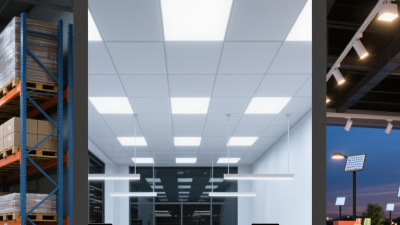
China Top 10 LED Lighting System Manufacturers
Choosing a dependable Led Lighting System manufacturer involves more than comparing prices or browsing attractive product photos. Buyers need to assess product performance, manufacturing experience, technical support, and the supplier’s ability to meet project requirements. Small details matter: a driver’s service life, a fixture’s heat management, and the clarity of a warranty can affect years of operation.
China has a broad lighting industry, with manufacturers serving commercial, industrial, residential, and outdoor applications. This guide introduces ten companies and offers a practical starting point for comparing their product ranges and capabilities. It considers factors such as company background, lighting categories, customization options, quality controls, and support after purchase. These details can help readers prepare better questions before requesting quotations or samples.
A list is not a final verdict. Manufacturers change their catalogs, and product quality may vary across models or production batches. That deserves a closer look. Buyers should verify current specifications, relevant test reports, certifications, and project references directly with each supplier. Where possible, inspect samples and confirm installation conditions, local requirements, and replacement-part availability. No single company suits every project. The right choice depends on the application, budget, delivery schedule, and expectations for maintenance. This overview aims to make those comparisons clearer, while recognizing that supplier claims still need independent checking.
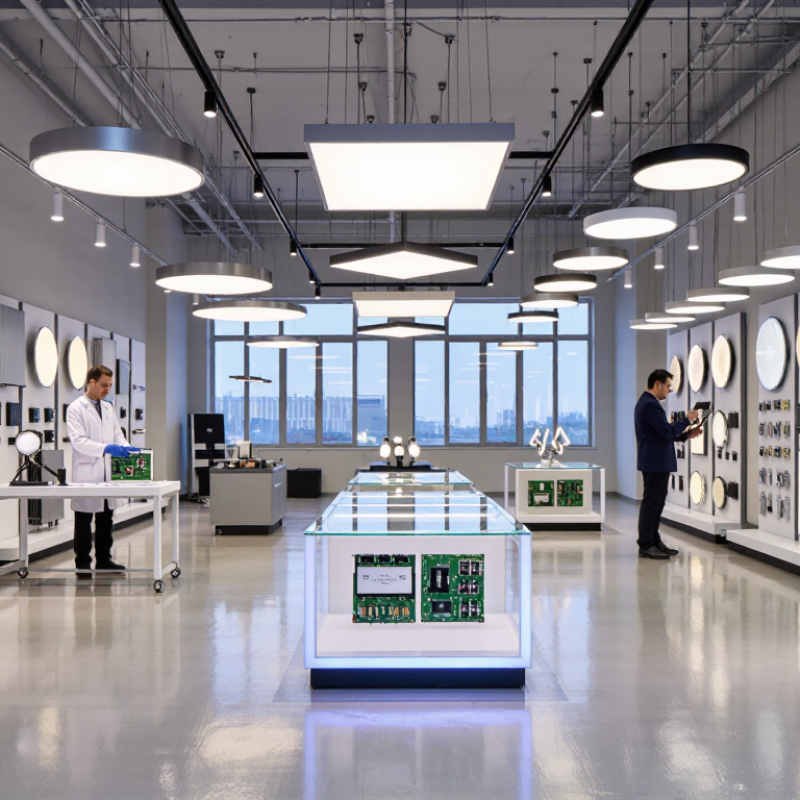
LED Lighting Systems: Core Components and Performance Metrics
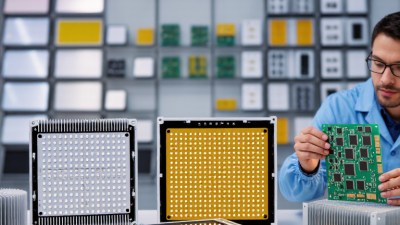
An LED lighting system is more than its lamps. It combines LED modules, drivers, optics, thermal paths, controls, and wiring. Each part affects light output and service life. A driver converts incoming power into stable current; poor matching can cause flicker or early failure. Heat sinks move warmth away from LED junctions. In a real ceiling, blocked airflow or dust can undermine a good design. Small details matter.
Evaluate efficacy in lumens per watt, but read it alongside delivered illuminance. A room can have efficient sources and still leave work surfaces dim. Check uniformity, glare, color rendering, and color temperature against the task. Measure flicker during dimming, not only at full output. Also verify power factor and standby consumption. The numbers need context. Test at operating temperatures, since laboratory conditions rarely match a crowded fixture.
Controls add another layer. Sensors, dimmers, and schedules must work reliably together. Confirm the dimming range, response time, and behavior after power interruptions. Request photometric files, driver details, thermal data, and clear test methods. Compare like with like. Specifications can look complete while omitting how measurements were taken. That deserves a question, not an assumption. A pilot installation may reveal shadows, color shifts, or awkward maintenance access before wider deployment.
China Top 10 LED Lighting System Manufacturers — LED Lighting Systems: Core Components and Performance Metrics
LED luminaire efficacy by application
The chart shows indicative luminaire efficacy ranges in lumens per watt (lm/W) for common application types; actual performance varies by design and operating conditions. LED modules produce light, drivers regulate power, optics direct the beam, and thermal management helps preserve output and service life. These are general reference ranges, not manufacturer-specific data.
China’s LED Manufacturing Landscape and 100–150 lm/W Efficacy Benchmarks
China’s LED manufacturing landscape combines large-scale assembly with specialist work in drivers, optics, thermal management, and controls. For buyers comparing the top ten manufacturers, factory size alone tells little. Product testing, component traceability, and consistent production quality matter more.
A practical efficacy benchmark for many LED lighting systems is 100–150 lumens per watt. Numbers need context. A bare LED package may outperform a complete luminaire, because lenses, diffusers, drivers, and heat all affect delivered light. Ask whether a quoted figure describes the chip, the fixture, or a measured system. Request test conditions, including input power, color temperature, and ambient temperature. Even small differences in measurement methods can distort comparisons.
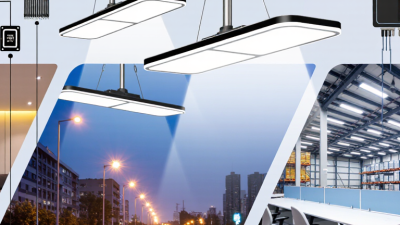
In a warehouse aisle, a high-bay fitting may lose output if its thermal design is weak. A well-matched driver and optic can preserve useful light while limiting wasted energy. Still, one impressive sample is not proof of stable mass production. Review independent test reports and production records, then check whether results remain consistent across batches. This comparison is not perfectly clean; suppliers may define system boundaries differently. That deserves scrutiny. A realistic evaluation weighs efficacy alongside glare control, service life, warranty terms, and the intended installation.
Top 10 Chinese LED Lighting System Manufacturers: Company Profiles
A useful profile of China’s LED lighting system manufacturers should explain what each company actually produces, not rely on broad claims. Some focus on indoor fixtures for offices and shops; others build outdoor systems with weather-resistant housings. Integrated suppliers may offer luminaires, drivers, and control components together. That can simplify coordination, but it does not guarantee better performance. Compare product ranges, stated certifications, production capabilities, and documented quality checks.
Look for practical details in each company profile: years of relevant manufacturing experience, in-house testing equipment, customization limits, and after-sales support. Ask how the supplier checks color consistency across batches. A sample can reveal glare, finish quality, and connector fit, but it cannot prove long-term reliability. Request test reports for the exact model under consideration, and confirm that specifications match the quotation. Small differences matter.
Tips: Compare like with like. Check wattage, lumen output, color temperature, beam angle, and warranty terms. Ask for a sample and clarify who handles replacement parts. Even a careful profile may leave questions unanswered; verify important claims directly before placing an order.
Comparing CRI 80+, IP Ratings, Controls, and Product Certifications
China Top 10 LED Lighting System Manufacturers
When comparing China’s leading LED lighting system manufacturers, look beyond lumen claims. A CRI of 80 or higher is a useful baseline for offices and general retail. For color-critical spaces, ask for test data at the actual operating conditions. A high CRI number alone does not tell the whole story. Check color consistency across fixtures, too; a sample can look excellent while a larger installation reveals visible variation.
Match the IP rating to the installation. A dry office may need less protection than a washdown area or exposed outdoor walkway. Confirm which parts the rating covers, especially connectors and drivers. Controls matter just as much. Ask whether fixtures support the required dimming method, sensors, or building-control interface, and request a simple compatibility test before ordering. Details matter. Review product certifications and test reports for the exact model, not just a company-level certificate. Requirements differ by destination market, so verify current documentation with the supplier and your project team.
Tips: Request datasheets, certification records, and sample results before final approval. Keep the model numbers consistent across quotes and test documents. Ask for proof. If a specification is unclear, pause and clarify it in writing; small gaps can become costly on site.
Applications, Lifetime Ratings, and Total Cost of Ownership in LED Projects
LED lighting projects should start with the task and environment. A warehouse with high ceilings needs suitable beam angles and glare control, while an office often benefits from even light and dimming. Outdoor installations must account for moisture, temperature swings, and access for maintenance. Details matter. A fixture’s rated output alone cannot show whether light reaches the work surface effectively.
Lifetime ratings need careful reading. L70 describes the point at which a defined share of a light source’s initial output remains; it is not a promise that every component will last that long. Check the stated test conditions, operating temperature, and driver life. Heat trapped above a ceiling can shorten service life. Ratings help compare systems, but real project conditions may differ.
Total cost of ownership includes more than purchase price. Estimate energy use from system wattage, annual operating hours, and local electricity rates, then include maintenance, replacement access, controls, and potential downtime. A lower-cost system may require more frequent service; a higher-efficiency option may take years to repay its initial premium. The calculation is imperfect when energy prices or usage change, so document assumptions and review them with facility staff before choosing.