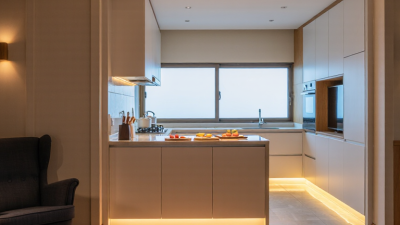

2026 How to Choose the Right Lighting for Global Buyers?
Choosing lighting for international projects involves more than comparing prices and wattage. Global buyers must match Light Lighting products with local voltage, room purpose, climate, installation methods, and maintenance resources. A warm pendant may suit a hotel lobby, while a high-bay fixture needs stronger heat control in a warehouse. Details matter.
Practical experience shows that small specifications often create large problems. Check lumens, beam angle, color temperature, CRI, dimming compatibility, and IP ratings before placing an order. A product rated for 220–240V may not suit every market. Confirm frequency requirements, plug types, emergency features, and regional certification expectations with qualified professionals. Manufacturer datasheets, test reports, warranty terms, and sample approvals provide stronger evidence than attractive product images.
The best choice also considers the buyer’s full operating environment. A coastal project may need corrosion-resistant materials, while a retail store may require stable color performance across hundreds of fixtures. Ask how replacement parts are supplied, how packaging protects glass, and how quickly technical support responds. Some buyers focus too heavily on initial cost. That assumption fails. Energy use, installation labor, repair access, and product lifespan can change the real budget.
This guide will examine how to compare Light Lighting solutions with greater confidence. It will connect technical data with practical purchasing decisions, helping importers, designers, contractors, and distributors reduce avoidable risks. No checklist replaces local verification. Markets differ, projects change, and even experienced teams can overlook one critical detail. Careful review remains essential.
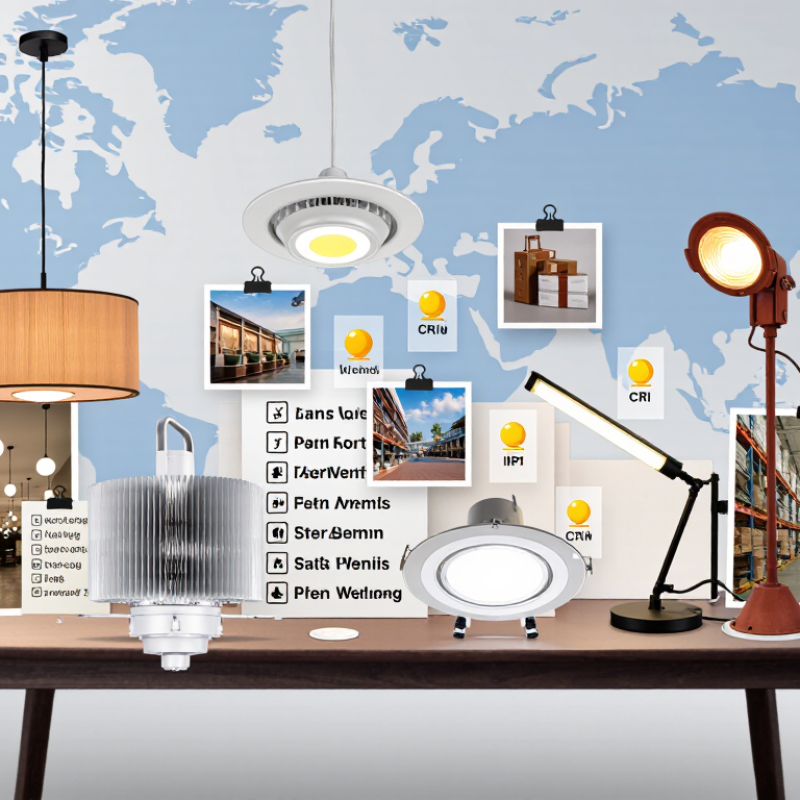
Understanding the Main Types of Lighting for Global Buyers
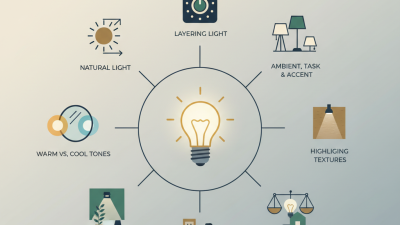
Global buyers should begin with the lighting function, not the fixture’s appearance. Ambient lighting creates general visibility across a room. Task lighting focuses on desks, counters, or inspection areas. Accent lighting highlights products, walls, or architectural details. Layering these three types usually improves comfort and reduces glare.
LED remains the practical baseline for many international projects. The International Energy Agency’s Energy Efficiency 2023 report estimates that lighting uses about 15% of global electricity and creates roughly 5% of energy-related emissions. LED products generally offer high efficacy, long service life, and flexible color temperatures. Fluorescent lighting can still fit large, evenly lit spaces, while high-intensity discharge lamps suit some high-bay applications. Incandescent lamps deliver warm light, but their energy performance is weak. Very practical.
Specifications need more attention than marketing language. Compare lumens, watts, efficacy, color rendering index, color temperature, beam angle, and rated life. Check voltage, frequency, dimming compatibility, and IP protection before ordering across borders. The U.S. Department of Energy’s 2024 Solid-State Lighting R&D Opportunities report continues to identify efficiency, light quality, and controls as key development areas. A frequent mistake is selecting a bright fixture without checking glare or maintenance access. The room may look impressive at first. It may also tire workers after six hours. Local climate, ceiling height, installation skills, and replacement availability deserve equal weight. No specification is perfect, and global procurement often requires one more site review.
Assessing Space, Purpose, Brightness, and Color Requirements
Choosing lighting for global projects starts with the space, not the fixture. Measure ceiling height, daylight, surface colors, and viewing distances. A narrow corridor needs controlled distribution, while a workshop needs even task illumination. The Illuminating Engineering Society recommends selecting light levels according to activity, visual demand, and user conditions. There is no universal lux number.
Purpose shapes brightness. Office desks often require around 300–500 lux, while detailed inspection may need more. Avoid excessive output. Glare can cause discomfort, reflections, and reduced productivity. The U.S. Department of Energy reports that LED systems use at least 75% less energy than incandescent lighting and can last up to 25 times longer. However, energy savings depend on controls, operating hours, and installation quality. A perfect calculation can still fail in a poorly aimed room.
Color requirements deserve equal attention. Choose a suitable correlated color temperature, such as warmer tones for hospitality areas and neutral white for offices or retail spaces. Check color rendering, especially where materials, food, or skin tones must look natural. The International Energy Agency estimates that lighting represents about 15% of global electricity consumption. That figure makes brightness control important. Occupancy sensors, daylight dimming, and careful zoning can reduce waste. I would still test samples on-site, because catalog images rarely reveal glare, shadows, or unexpected color shifts.
2026 How to Choose the Right Lighting for Global Buyers? - Assessing Space, Purpose, Brightness, and Color Requirements
| Space / Application | Primary Purpose | Typical Illuminance (lux) |
Recommended CCT (K) |
Minimum CRI | Glare / Control Priority | Preferred Distribution | Key Buyer Check |
|---|---|---|---|---|---|---|---|
| Living Room | Relaxation, conversation, and general ambient lighting | 100–200 | 2700–3000 | 80 | Dimming and indirect light improve comfort | Wide, diffuse distribution | Check dimmer compatibility and standby power |
| Kitchen / Food Preparation | Safe food preparation and visual accuracy | 300–500 | 3000–4000 | 80; 90 preferred for food display | Control shadows over work surfaces | Uniform, task-focused distribution | Verify cleanable housing and suitable moisture protection |
| Bedroom | Rest, reading, and personal activities | 100–200; 300–500 for reading | 2700–3000 | 80 | Use separate task lights and dimming | Soft ambient plus focused task beam | Confirm low-glare optics and quiet driver operation |
| Office / Computer Workstation | Reading, screen-based work, and concentration | 300–500 | 3500–4000 | 80 | Low glare, controlled luminance, flicker-free driver | Uniform direct or direct/indirect light | Review UGR data where required and test with screens |
| Retail / Product Display | Product visibility, contrast, and color presentation | 300–1000 | 3000–4000 | 90 preferred for color-critical goods | Adjustable output and accent-light control | Narrow spot plus ambient fill | Compare beam angle, glare, color consistency, and maintenance access |
| Hotel / Restaurant | Atmosphere, dining comfort, and visual presentation | 100–300 | 2700–3000 | 90 preferred for food and interiors | Dimming scenes and low visible glare | Layered ambient, accent, and decorative light | Check control protocol, emergency-lighting integration, and cleaning needs |
| Warehouse / Storage | Safe movement, picking, labeling, and inventory visibility | 100–300 | 4000–5000 | 80 | Occupancy sensors can reduce energy use | Aisle-oriented, uniform distribution | Check mounting height, beam pattern, sensor coverage, and impact rating |
| Workshop / Detailed Assembly | Precision work, inspection, and safe tool operation | 500–1000 | 4000–5000 | 80; 90 for inspection tasks | Minimize flicker and harsh shadows | Uniform general light plus task lighting | Request flicker data, thermal performance, and replaceable components |
| Bathroom / Wet Area | General visibility, grooming, and safety | 200–300; 500 at mirrors | 3000–4000 | 80; 90 preferred at mirrors | Diffuse, shadow-reducing mirror lighting | Wide distribution with vertical face illumination | Select IP rating according to the locally defined wet-zone location |
| Outdoor Walkway / Entrance | Wayfinding, security, and safe access | 10–50 | 2700–4000 | 70–80 | Avoid upward spill light and excessive contrast | Uniform downward distribution | Check IP rating, corrosion resistance, surge protection, and local dark-sky rules |
| Parking / Loading Area | Vehicle movement, pedestrian safety, and surveillance | 10–50 | 4000–5000 | 70–80 | Control glare for drivers and nearby properties | Wide-area, asymmetric where appropriate | Confirm pole spacing, wind exposure, impact rating, and lighting uniformity |
Comparing Energy Efficiency, Lifespan, and Smart Lighting Features
For global buyers, lighting decisions should start with useful light, not wattage. Lumens measure brightness, while watts measure electricity use.
The U.S. Department of Energy reports that residential LEDs use at least 75% less energy than incandescent lamps. It also reports lifespans up to 25 times longer.
These figures describe tested conditions, not every installation. Heat, dust, voltage differences, and poor drivers can reduce real performance.
Lifespan claims deserve careful reading. A rated 50,000-hour product may still provide weaker light after years of heat exposure. Look for lumen-maintenance data, warranty terms, and tested operating temperatures.
The International Energy Agency identifies efficient lighting as a cost-effective energy-saving measure. Smart controls can improve results further.
Occupancy sensors switch lights off in empty rooms.
Daylight harvesting lowers output near windows.
Scheduling can reduce overnight consumption.
However, wireless controls add software, compatibility, and cybersecurity concerns. Smart is not always simpler.
Tips:
- Compare lumens per watt, not price alone.
- Request test reports based on recognized standards.
- Check voltage, frequency, dimming method, and regional safety certification.
- Test one fixture in a real room before ordering thousands.
- I would also calculate total ownership cost over ten years.
- A cheaper lamp can become expensive after frequent replacement, maintenance, and wasted energy.
- No spreadsheet captures every installation mistake.
Checking Safety Standards, Certifications, Voltage, and Compatibility
2026 How to Choose the Right Lighting for Global Buyers?
Before ordering lighting across borders, verify the safety requirements in the destination market. Ask for current test reports, declarations of conformity, and certification marks accepted by local authorities. A familiar logo is not enough. The certificate should match the exact model, wattage, driver, and production version. Check electrical safety, electromagnetic compatibility, insulation, and fire-resistance information. For outdoor fixtures, review the IP rating and protection against moisture. These details affect real installation risks.
Voltage and frequency require equal attention. A fixture rated for 220–240V may fail on a 110–120V circuit. The wrong frequency can also affect drivers, motors, or dimming performance. Confirm the socket type, grounding method, cable length, and plug configuration. Compatibility with wall switches, sensors, and dimmers should be tested before a large purchase. Ask for samples when possible.
I have seen buyers trust product photos too quickly. That mistake becomes expensive after shipment. Request wiring diagrams, installation instructions, and photometric files. Check whether replacement drivers and spare parts remain available. Certification documents can also contain outdated model numbers. Recheck them carefully. Requirements vary by country, building type, and installation location, so local technical review remains valuable. Even experienced buyers miss small differences.
Evaluating Suppliers, Total Costs, Installation, and After-Sales Support
2026 How to Choose the Right Lighting for Global Buyers?
A low purchase price rarely reflects the real lighting cost. The U.S. Department of Energy reports that LED products can use at least 75% less energy and last up to 25 times longer than incandescent lamps. However, efficiency claims need testing evidence. Ask suppliers for LM-79 photometric reports, LM-80 lumen-maintenance data, efficiency figures, and stated operating temperatures. Check whether the test conditions match your warehouse, hotel, office, or outdoor site.
Look beyond the unit price. Calculate energy, replacement, freight, duties, controls, labor, and disposal costs over five to ten years. The International Energy Agency’s Energy Efficiency 2023 report identifies efficient lighting as a major opportunity for reducing electricity demand. Yet a highly efficient fixture may create hidden costs if its driver fails early. Request a sample, inspect wiring terminals, measure light at working height, and confirm spare-part availability. Small details matter.
Installation planning also affects reliability. Confirm ceiling types, voltage ranges, mounting hardware, emergency systems, and local electrical requirements before ordering. A useful supplier should provide drawings, manuals, photometric files, and remote technical support. After-sales terms must state response times, warranty exclusions, replacement procedures, and who pays international shipping. Some buyers accept vague promises. That is risky. In practice, one missing adapter can delay an entire floor. The evaluation process is not perfect, and projected savings can be overstated when occupancy patterns change. Recheck assumptions after installation using meter readings and maintenance records.
2026: How to Choose the Right Lighting for Global Buyers
Use energy consumption and rated life as objective starting points when evaluating international suppliers. Compared with incandescent lighting, LED lighting uses about 75% less energy and can provide up to 25 times the service life, according to U.S. Department of Energy guidance. Request verified performance data, installation requirements, warranty terms, replacement parts, and after-sales response times before comparing total cost of ownership.
Source: U.S. Department of Energy, LED Lighting guidance. Index: incandescent lighting = 100 for energy use and 1× for rated life.
Related Posts
-
How to Choose the Best Lighting for Any Space?
-
Why Choose LED Lighting for Global Buyers?
-
Ultimate Guide to Sourcing the Best Leading Lighting Solutions for Global Buyers
-
10 Essential Tips for Perfect Light Lighting in Your Home?
-
Maximizing Office Lighting Efficiency and Maintenance Costs Through Smart Solutions
-
What is Led Outdoor Lighting and How to Choose the Best?