
What Are the 2026 Top Office Lighting Trends?
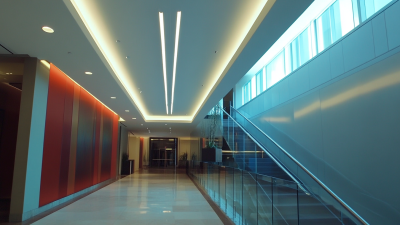
Office Lighting is entering 2026 with a stronger focus on comfort, health, and measurable energy performance. The brightest fixture will not automatically create the best workplace. Designers are expected to favor low-glare illumination, tunable white light, daylight integration, and controls that respond to occupancy. A desk near a window may need a different setting by 3 p.m. than at 9 a.m.
Dr. Mariana Figueiro, a leading lighting and health researcher, has said, “Light is the most powerful cue for the circadian system.” Her observation helps explain the growing interest in human-centric Office Lighting. In practice, this may mean brighter, cooler light in the morning and warmer, softer light later. Sensors can reduce wasted electricity. They can also create annoying changes when poorly calibrated. That weakness deserves attention.
The 2026 discussion will also examine circular materials, connected lighting platforms, and flexible systems for hybrid offices. A meeting room could shift from focused task lighting to a softer setting for collaboration. Yet technology should support people, not distract them. Some workplaces may purchase expensive smart fixtures without improving visual comfort. That is a real risk.
This overview will explore the most important Office Lighting trends, including practical benefits, limitations, and installation considerations. It will consider glare, color quality, maintenance, accessibility, and long-term operating costs. Predictions can age badly. Therefore, each trend should be tested against real users, real rooms, and real measurements.
What Defines the Top Office Lighting Trends in 2026?
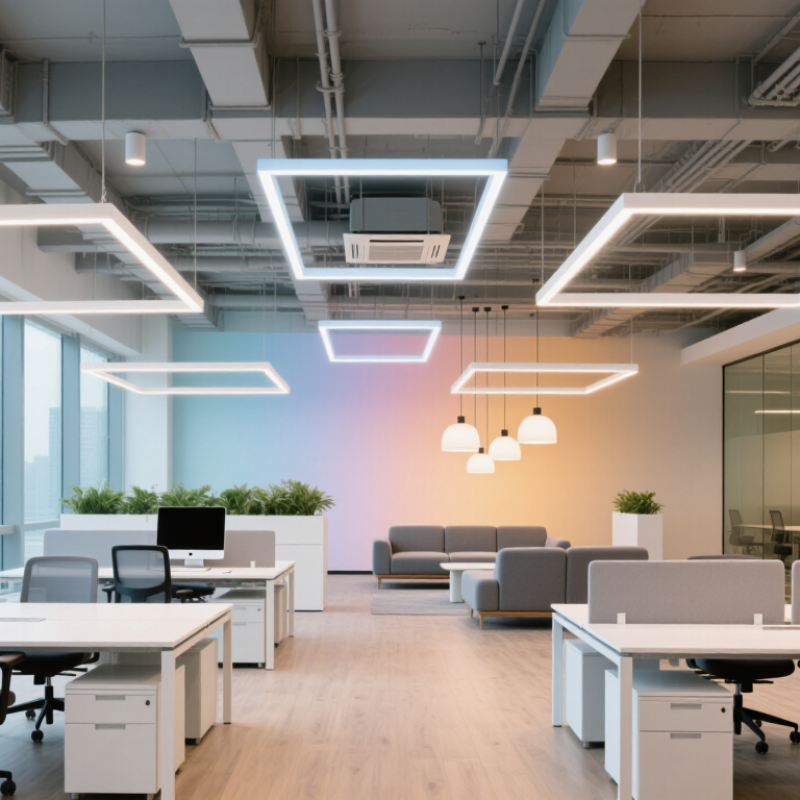
What defines the top office lighting trends in 2026 is not novelty alone. Leading designs respond to people, tasks, and changing daylight. A desk near a bright window needs different output at 4 p.m. than at 9 a.m. Tunable white systems can adjust color temperature, while occupancy sensors reduce unnecessary energy use. Comfort matters more than spectacle. Low-glare optics, balanced vertical illumination, and well-placed task lights help employees read screens without squinting.
Practical lighting assessments show that successful schemes begin with observation, not equipment lists. Specialists review desk layouts, screen positions, ceiling heights, and employee complaints before selecting controls. They measure illuminance and glare, then compare results with workplace standards and local energy codes.
Human-centric lighting should support comfort and concentration without making medical promises. That distinction matters. Good controls remain simple, with clear presets and manual overrides. If people cannot understand the system, they may disable it.
The strongest 2026 trend may be measurable adaptability. Connected sensors can reveal underused zones, maintenance needs, and uneven light levels. Yet more data does not automatically create better design. No plan is flawless. Occupancy readings can be wrong, daylight changes quickly, and automated dimming may distract some workers. Regular post-occupancy checks, staff feedback, and accessible replacement parts keep installations reliable. The practical question remains: does the lighting stay comfortable, efficient, and manageable months later?
How Human-Centered Lighting Supports Workplace Well-Being
What Are the 2026 Top Office Lighting Trends?
How Human-Centered Lighting Supports Workplace Well-Being
In 2026, office lighting is moving beyond brightness and energy savings. Human-centered lighting places comfort, visual performance, and daily biological rhythms at the center. In practice, this means combining daylight, adjustable color temperature, and individually dimmable task lights. A meeting room may need bright, neutral light at 9 a.m., then softer settings for focused work. Technology is not enough. Lighting professionals also check glare, flicker, contrast, and screen reflections before recommending controls. These details can influence eye strain, headaches, and concentration, although lighting is only one part of workplace well-being.
Sensors can respond to daylight and occupancy, reducing waste without leaving desks dim. However, automation should not remove personal control. A worker near a window may prefer lower output, while someone reviewing drawings may need stronger task lighting.
Good installations provide simple wall controls, clear adjustment ranges, and consistent maintenance. Not every setting works. A cool white setting may support alertness during some tasks, yet feel harsh during long afternoon sessions. Evidence about circadian effects is still developing, so responsible design avoids promising medical outcomes.
Reliable projects begin with occupant interviews, measured light levels, and post-occupancy feedback. Teams should compare designs with real conditions, including cloudy mornings, late shifts, and partially closed blinds. Small changes can matter. Moving a luminaire, adding a diffuser, or lowering contrast may improve comfort more than installing a complex dashboard. The strongest trend may be humility: design for different bodies, tasks, and preferences, then keep listening.
How Smart Controls Personalize and Automate Office Illumination
What Are the 2026 Top Office Lighting Trends?
Smart controls are moving office lighting from fixed schedules to responsive illumination. Sensors can detect occupancy, daylight, and working zones in real time. A conference room may brighten before a meeting, then dim after everyone leaves. Personal controls can also support different tasks, from focused screen work to collaborative discussions.
The International Energy Agency reports that lighting uses about 15% of global electricity. Better controls can reduce waste, although savings vary by building behavior and commissioning quality. The U.S. Department of Energy also identifies connected lighting and advanced controls as important energy-efficiency opportunities.
In practice, reliable settings matter more than impressive dashboards. A sensor can misread an empty room. A worker may still override an uncomfortable scene.
Tips
Set separate lighting scenes for desks, meeting tables, and circulation areas. Use daylight dimming near windows, but test it during cloudy afternoons. Keep manual controls simple. Complex interfaces often discourage daily use. Review energy data and occupant feedback together each quarter.
The 2026 office will likely use adaptive illumination without making it feel automated. Warm, low-glare light can support late work, while brighter neutral light may help morning alertness. These effects are not universal. Age, screen use, culture, and personal preference still influence comfort. Designers should treat smart controls as adjustable tools, not unquestionable solutions. A short pilot with real employees may reveal more than a polished specification.
Why Sustainable Fixtures and Energy Efficiency Matter
What Are the 2026 Top Office Lighting Trends?
Why Sustainable Fixtures and Energy Efficiency Matter
In 2026, office lighting is moving beyond brightness and appearance. Sustainable fixtures are becoming practical tools for reducing energy use and maintenance costs. High-efficiency LED systems now pair with occupancy sensors and daylight controls. These features dim lights near windows and switch off unused zones. A simple sensor can prevent an empty meeting room from glowing all afternoon. Small changes matter.
From my experience reviewing workplace layouts, lighting performance depends on installation quality. A highly efficient fixture still wastes energy when controls are poorly configured. Facility teams should measure actual power use after installation. They should also compare illumination levels across desks, corridors, and screens. Over-lighting creates glare, eye fatigue, and unnecessary consumption. Good design feels calm, not harsh.
Material choices are gaining attention as well. Durable housings, replaceable components, and recyclable materials can extend a fixture’s useful life. However, sustainability claims need evidence. Ask for energy data, expected operating life, repair guidance, and recognized safety documentation. Marketing language alone is not enough. Some projects still replace usable fixtures too quickly. That habit deserves reconsideration.
Smart lighting platforms may provide detailed reports, but complexity can become another weakness. Staff need clear controls and accessible maintenance procedures. A system nobody understands will not deliver reliable savings. The best 2026 offices will balance automation with human judgment, comfortable light, and measurable efficiency.
How Flexible Lighting Adapts to Hybrid and Multi-Use Offices
What Are the 2026 Top Office Lighting Trends?
Flexible lighting is becoming essential as offices serve several purposes in one day. A meeting room may become a quiet workspace by afternoon. A lounge may host training sessions before lunch. Static lighting struggles with these changes.
JLL’s 2024 Global Workforce Survey found that many employees still prefer hybrid work arrangements. This increases the need for offices that feel useful, comfortable, and adaptable. Tunable white lighting can support focused work during morning hours, then create softer conditions for discussion. Occupancy sensors can also reduce unnecessary lighting in unused zones. The U.S. Department of Energy reports that lighting represents about 15% of total electricity use in the United States. Better controls can therefore support both comfort and energy management.
Tips: Use separate lighting scenes for focus, collaboration, and presentations. Keep controls simple. Too many settings confuse users. Test real spaces with employees before final installation. Gensler’s 2024 Global Workplace Survey shows that workplace experience strongly influences how people choose and use offices. However, lighting alone cannot repair poor planning. Some projects still overuse bright, uniform illumination because it feels safe. That choice may create glare, tired eyes, and uneven comfort. In 2026, the stronger approach may be less dramatic: layered light, adjustable controls, and honest feedback from daily users.
What Are the 2026 Top Office Lighting Trends? - How Flexible Lighting Adapts to Hybrid and Multi-Use Offices
| 2026 Lighting Trend | Best-Fit Office Use | Lighting Configuration | Typical Control Strategy | Typical CCT | Recommended CRI | Typical Illuminance Target | Key Flexibility Benefit | Implementation Priority |
|---|---|---|---|---|---|---|---|---|
| Personalized task lighting | Assigned desks, focus areas and individual workstations | Dimmable ambient lighting combined with user-controlled desk luminaires | Local dimming, scene recall and occupancy shut-off | 3,000–4,000 K | ≥80; ≥90 where color accuracy is important | Approximately 300–500 lux on the work plane | Supports different visual preferences without relighting the entire floor | High |
| Scene-based lighting | Meeting rooms, training rooms and presentation spaces | Multiple preset scenes for discussion, presentation, video calls and cleaning | Wall controls, scheduling and digital scene selection | 3,000–4,000 K | ≥80; ≥90 for face-to-face and video applications | 300–500 lux for meetings; lower levels may be used for projection | Converts one room quickly between different activities | High |
| Daylight-responsive dimming | Perimeter zones, open offices and collaborative areas near windows | Daylight sensors paired with dimmable overhead fixtures | Continuous or stepped dimming with daylight harvesting | 3,000–4,000 K | ≥80 | Maintains the selected task-lighting level while daylight varies | Reduces unnecessary electric-light output when sufficient daylight is available | High |
| Occupancy- and vacancy-based control | Phone booths, focus rooms, meeting rooms and low-use zones | Presence detection with partial or full-area control | Occupancy sensors, vacancy sensors and time delays | 3,000–4,000 K | ≥80 | Approximately 200–500 lux, depending on the task | Matches lighting operation to variable attendance in hybrid offices | High |
| Low-glare lighting for screens and video | Open-plan workstations, video-call areas and control rooms | Shielded, diffuse luminaires with controlled luminance | Dimming and zoning to manage reflections on displays | 3,000–4,000 K | ≥80; ≥90 for high-quality visual environments | Approximately 300–500 lux | Improves screen visibility, visual comfort and camera appearance | High |
| Layered ambient, task and accent lighting | Multi-use neighborhoods, lounges, project areas and informal collaboration zones | General illumination supplemented by task and decorative layers | Independent zoning and scene presets | 2,700–4,000 K | ≥80; ≥90 for hospitality-style areas | 200–500 lux, depending on the activity | Creates distinct atmospheres without changing the base installation | Medium–High |
| Connected lighting and space analytics | Large offices with changing occupancy and facilities-management needs | Networked luminaires, sensors and centralized dashboards | Schedules, remote configuration, fault reporting and occupancy data | 3,000–4,000 K | ≥80 | Set by the applicable office task and local standard | Allows settings and operating schedules to change as space use changes | Medium–High |
| Modular and repositionable luminaires | Agile work areas, churn-prone layouts and offices with movable partitions | Regularly spaced fixtures, plug-and-play connections and separately controllable zones | Re-addressable controls and adaptable zoning | 3,000–4,000 K | ≥80 | Approximately 300–500 lux, based on the revised layout | Reduces redesign work when desks, rooms or circulation paths move | High |
Planning note: Illuminance, glare limits, color quality and control requirements should be verified against the applicable local code, workplace standard and project-specific visual tasks. The ranges shown are typical office-design benchmarks rather than universal requirements.
Related Posts
-
Maximizing Office Lighting Efficiency and Maintenance Costs Through Smart Solutions
-
How to Choose the Best Office Lighting for Enhanced Productivity and Comfort
-
7 Compelling Reasons to Choose Landscape Lighting for Your Outdoor Spaces
-
2025 Guide: How to Choose the Best LED Spotlights for Your Home
-
Top China Best Outdoor Lighting Solutions for Global Buyers?
-
7 Best Benefits of Using Led Lamps for Your Home and Business