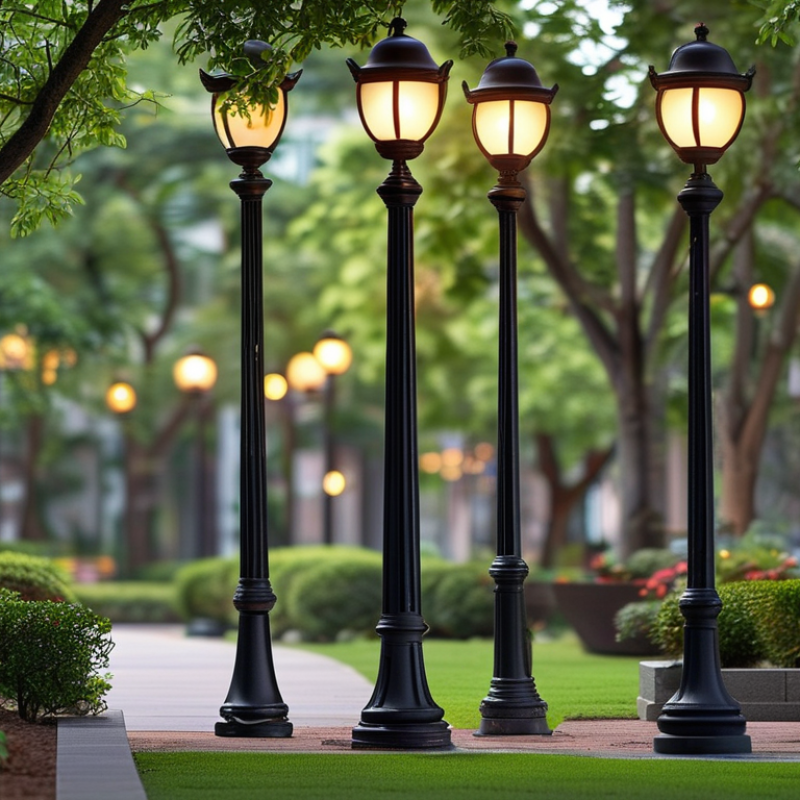
Top 10 Tips for Choosing the Best Light Pole for Your Needs?
Choosing the right Light Pole is crucial for both safety and aesthetics. A recent report by the National Lighting Bureau states that proper lighting can reduce accidents by up to 40%. The selection of a Light Pole should not be taken lightly. It impacts the overall ambiance and functionality of outdoor spaces.
According to Dr. Emily Carter, a leading expert in urban lighting solutions, "The right Light Pole can transform community spaces and enhance visibility." Factors such as height, material, and environmental impact must be considered. For instance, aluminum poles are lightweight and resistant to corrosion, while steel poles provide durability.
Yet, many overlook these details. Some may prioritize cost over quality, risking future maintenance issues. Reflecting on their choices helps ensure long-term satisfaction. By evaluating each aspect, you can select the ideal Light Pole that meets both your needs and community standards.
Understanding Your Lighting Needs and Environment
When selecting a light pole, it is crucial to understand your specific lighting needs and the environment in which the pole will be installed. Research shows that appropriate lighting can increase safety and reduce accidents by up to 30% in public spaces. Assess the area’s foot traffic, type of activities, and any specific lighting regulations that might affect your choice. Knowing the demands of your location helps in choosing the right height, lumens, and design.
Consider the environmental factors as well. For instance, poles in coastal areas must resist corrosion, whereas poles in cold climates may need to handle heavy snowfall. A professional report indicates that 90% of lighting complaints arise from improper placement or inadequate brightness. Each environment presents unique challenges. Evaluating these factors can lead to better long-term satisfaction. Reflecting on past projects can also offer insights into common pitfalls, ensuring your selection is informed and tailored to your specific needs.
Evaluating Different Types of Light Poles Available
Choosing the right light pole can be challenging. Many options exist, each serving different purposes. Evaluating the types ensures you select what fits your needs best.
Concrete and metal poles are common choices, each having its benefits. Metal options tend to be lighter and easier to install. Conversely, concrete poles offer enhanced durability and resistance to harsh weather. Industry reports indicate that durability is a leading consideration for 75% of municipalities when selecting poles. They recognize that initial costs can be misleading.
Recent data shows that LED fixtures often pair well with various poles. Efficient lighting reduces energy consumption by nearly 60%. This metric is vital for long-term budget planning. However, it’s crucial to reflect on maintenance needs. While LED lights are low maintenance, the poles themselves may require occasional inspections. Therefore, understanding the complete life cycle of both the poles and the fixtures is necessary for informed decision-making.
Considering Material Durability and Weather Resistance
When selecting a light pole, material durability is crucial. Different materials offer various levels of strength and lifespan. For instance, aluminum poles are lightweight and resistant to rust. However, they may not withstand heavy impacts. Steel poles are heavier and sturdier but can rust if not properly coated. Consider the environment where the pole will be installed. Will it face extreme weather conditions? This question can impact your decision significantly.
Weather resistance is another vital factor. A light pole needs to endure rain, snow, and harsh sunlight. Look for poles with protective coatings that prevent corrosion. Additionally, some poles have features to withstand wind loads. If your area experiences strong winds, investing in a heavier pole might be wise. Always consider maintenance needs too. Some materials require more upkeep than others. Weigh the pros and cons carefully. This can guide you toward the best choice for your environment and requirements.
Assessing Height and Size Requirements for Optimal Lighting
Choosing the right light pole involves careful attention to height and size. The optimal height primarily depends on the area needing illumination. For streets and parking lots, poles should generally be taller than those used in pathways or yards. A height of 12 to 15 feet can effectively light a parking area. However, taller poles may create shadows if not spaced properly.
Consider the size of the area as well. Smaller spaces may require fewer poles, while larger spaces need a grid of lights for uniform distribution. The diameter of the light pole is also crucial. A sturdy, wider base ensures stability, especially in windy conditions. However, a pole that is too bulky can feel out of place, creating an imbalance in aesthetics.
Reflecting on these aspects can be challenging. Mistakes often arise when buyers focus solely on cost or aesthetics. Striking a balance between function and form is essential. Take time to evaluate your specific lighting needs and the space involved, as this can prevent costly changes later.
Top 10 Tips for Choosing the Best Light Pole for Your Needs
Budgeting for Installation and Maintenance Costs
When considering light poles, budgeting for installation and maintenance is crucial. Installation costs can vary widely based on location and complexity. A simple setup might cost less, but complex installations can significantly increase expenses. Understanding your infrastructure needs is key. Consider consulting with professionals who understand local regulations and site requirements. This can help avoid unexpected costs and headaches.
Regular maintenance is another vital expense that should not be overlooked. Light poles need upkeep to ensure longevity and efficiency. This often includes periodic inspections, cleaning, and repairs. Ignoring maintenance can lead to higher costs in the long run. Think about creating a maintenance schedule that aligns with your budget. An underfunded plan could leave you facing larger problems down the line. Be realistic about the resources required to keep everything functioning properly.