How to Install and Maintain a Roll Down Fire Door?
Roll Down Fire Doors are crucial for safety in commercial buildings. According to the National Fire Protection Association, nearly 3,000 deaths occur annually due to fire-related incidents. These doors provide essential protection, preventing the spread of fire and smoke. Understanding how to install and maintain them is vital.
The installation process requires precision and adherence to safety standards. A poorly installed Roll Down Fire Door may not function correctly during emergencies. This can lead to catastrophic consequences. Regular maintenance is equally important. Inspections should occur at least twice a year to ensure optimal performance. Many facilities overlook upkeep, which can result in failures when needed most.
Awareness of the mechanical and electrical systems is necessary. Staff should know the basic operation and emergency procedures. Training provides confidence but can often be neglected. Investing in Roll Down Fire Doors might seem costly, but the consequences of inaction can be far more devastating. Balancing safety and cost is essential for any organization.
Understanding Roll Down Fire Doors: Purpose and Standards
Roll down fire doors play a crucial role in fire safety. They are designed to contain fires and limit smoke spread. By doing so, they protect lives and property. These doors are often used in commercial buildings, warehouses, and large retail spaces. They need to meet specific fire safety standards. This includes testing for fire resistance and durability. Knowing these standards ensures proper installation and function.
Maintenance is as important as installation. Regular inspections help identify wear and damage. During inspections, look for rust, dents, and proper operation. If the door does not open or close smoothly, this is a warning sign. Replace any damaged components immediately to ensure safety. Remember, even small issues can lead to bigger problems. Often, maintenance is overlooked until it’s too late. A proactive approach is essential for fire doors' longevity and effectiveness. Ensure compliance with local fire regulations as well. This can help avoid potential legal issues.
How to Install and Maintain a Roll Down Fire Door? - Understanding Roll Down Fire Doors: Purpose and Standards
| Dimension | Description |
| Purpose | To prevent the spread of fire and smoke in a building. |
| Standards | Must meet NFPA 80 and local building codes. |
| Installation Location | Typically installed in openings between spaces where fire separation is required. |
| Material | Usually made from steel or other fire-resistant materials. |
| Maintenance Frequency | Recommended inspection at least twice a year. |
| Testing | Periodic activation testing to ensure functionality. |
| Common Issues | Malfunctioning sensors, damaged doors, or blocked tracks. |
| Emergency Procedures | Establish protocols for manual operation during emergencies. |
Selecting the Right Roll Down Fire Door for Your Building
Selecting the right roll down fire door for your building is crucial for safety and compliance. Consider the specific needs of your facility. Measure the dimensions of your openings accurately. Think about the weight and material of the door. A sturdy but lightweight option could be ideal for ease of use.
Evaluate the fire rating of the door. It should match your building’s safety requirements. Sometimes, people focus too much on aesthetics. But functionality must come first. Check the installation guidelines carefully. Mistakes can lead to costly delays and safety issues.
Assess maintenance needs as well. Regular checks are essential to ensure everything works smoothly. Are those hinges operating correctly? Is the seal intact? Addressing minor issues early can prevent larger problems later. Some users may overlook this, leading to unexpected costs. Pay attention to your door choice to secure your building effectively.
Step-by-Step Installation Process for Roll Down Fire Doors
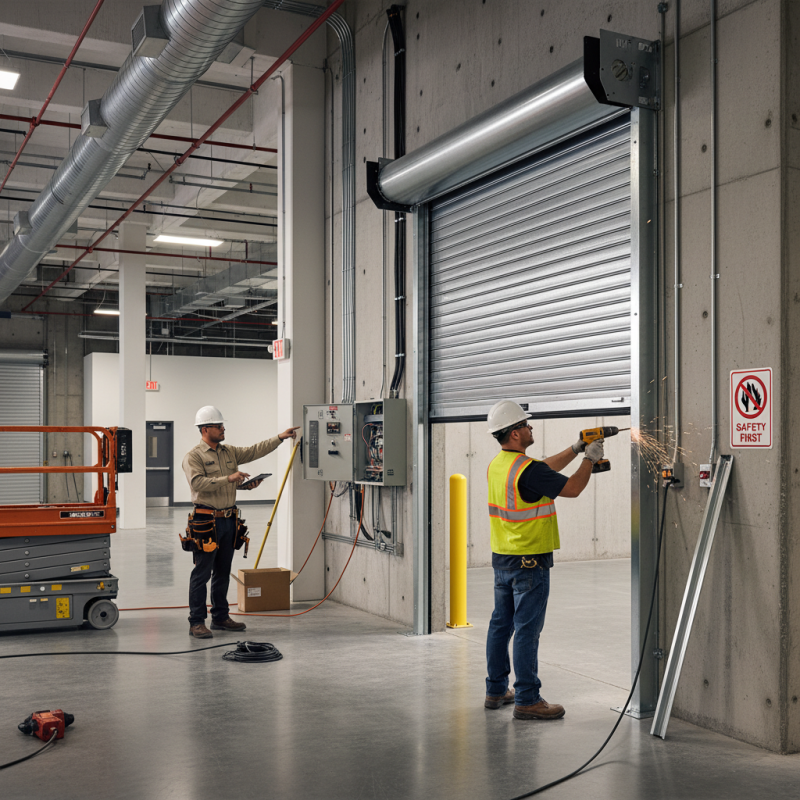
Installing a roll down fire door requires careful planning and execution. Begin by measuring the installation area accurately to ensure a perfect fit. Gather necessary tools and materials before starting. The wall should be clear of any obstructions. If it’s not level, fix these issues beforehand. Place the door frame in position and secure it with fasteners.
During installation, always check alignments frequently. This step is critical. Misalignment may affect functionality. After securing the frame, attach the door curtain and the operating mechanism. Once installed, perform a function test. Open and close the door multiple times to check for smooth operation.
Routine maintenance is essential for fire doors. Inspect the door regularly for any signs of damage. Look for rust or warping. Lubricate hinges and tracks to ensure ease of movement. It’s easy to overlook these details. Small repairs can prevent larger issues later. Periodically, conduct a full functionality test to ensure compliance with safety standards. Failure to do so can lead to serious concerns.
Maintenance Protocols: Ensuring Compliance and Safety
Maintaining a roll down fire door is essential for safety. Regular inspections can help identify potential issues. Check for any signs of wear and tear. Look for damage on the door, tracks, and hardware. Small cracks or rust can lead to bigger problems.
It's crucial to have a maintenance schedule. This ensures compliance with safety standards. Inspect the door at least twice a year. Don’t skip this step. Each part should operate smoothly. Listen for unusual sounds when the door is in motion. A grinding noise could indicate a problem.
Documentation is key. Keep records of inspections and repairs. This will help prove compliance if needed. Sometimes, it’s easy to overlook minor issues. However, ignoring them can lead to expensive repairs. Take the time to reflect on the overall condition of your fire door. Safety should never be compromised.
Common Issues and Solutions for Roll Down Fire Doors
Roll down fire doors are crucial for safety in commercial buildings. However, they face common issues that can compromise their effectiveness. A report from the National Fire Protection Association indicates that nearly 30% of fire doors were found to be non-compliant during inspections. This statistic highlights the importance of regular maintenance.
One common problem is the misalignment of the door. This can lead to gaps that allow smoke and fire to spread. Adjusting the door’s tracks may resolve this issue. Another issue is the failure of the automatic closing mechanism. Regular checks can ensure these systems function correctly. Over 15% of fire doors do not close properly, posing serious risks.
Rust and corrosion can also affect a fire door’s performance. Many installations do not account for environmental factors, which can lead to deterioration. Applying protective coatings can mitigate this. Lastly, ensuring that all inspections comply with OSHA standards is vital. Regular training for staff can help spot issues early. Ignoring these concerns can make the difference in critical situations.