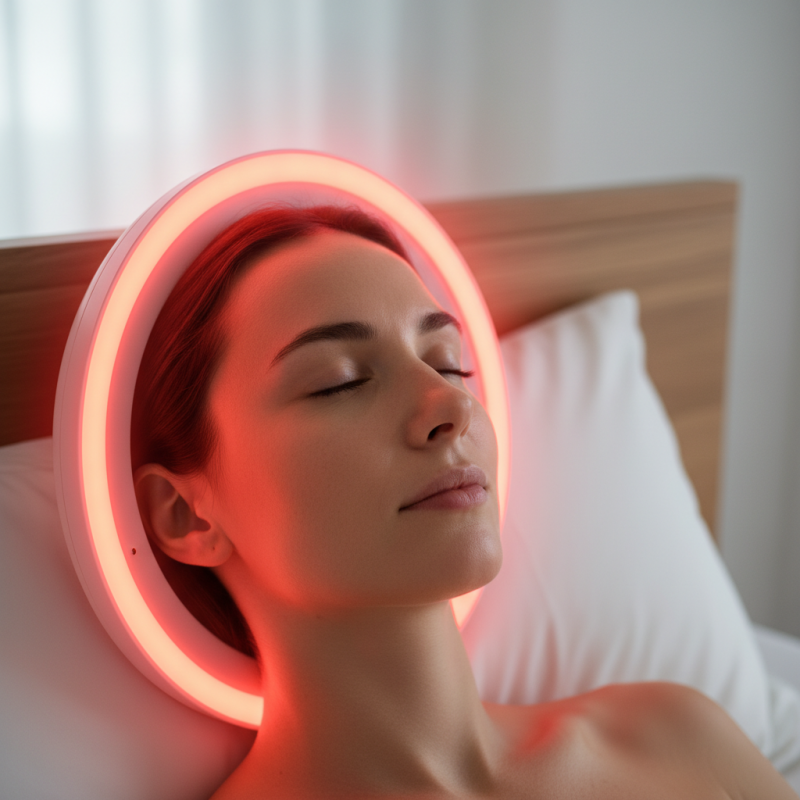
2026 How to Use Red Light Therapy Effectively?
Red Light Therapy has gained popularity for its potential health benefits. This therapy uses specific wavelengths of light to promote healing and rejuvenation. Many people seek to harness its power for skin improvement, pain relief, and overall wellness.
However, using Red Light Therapy effectively is not always straightforward. It requires an understanding of the right techniques and tools to maximize its benefits. Factors such as the type of device, duration, and frequency of treatment play crucial roles.
Some users may struggle with inconsistency in their routines. They might not see immediate results, which can lead to frustration. Reflection on personal goals and realistic expectations is important. Everyone's body responds differently, and patience is needed to achieve desired outcomes.
Understanding Red Light Therapy: Basics and Mechanisms
Red light therapy (RLT) has gained attention in recent years. Its popularity stems from various studies highlighting its potential benefits. This therapy utilizes low-level wavelengths of red light to stimulate cellular processes. Research indicates it may enhance mitochondrial function, which is crucial for energy production. In fact, a report from the Journal of Clinical and Aesthetic Dermatology suggests that RLT can boost collagen production by up to 300%. This increase can lead to improved skin health and appearance.
Understanding the mechanisms behind red light therapy is essential. RLT penetrates the skin, prompting the cells to absorb light and produce more ATP — the primary energy currency of our cells. This process can potentially accelerate healing and reduce inflammation. However, not all studies agree on efficacy. Some research shows minimal effects, raising questions about optimal wavelengths and treatment duration. Therefore, individual responses can vary dramatically.
There is also a need to approach RLT with caution. While many users report positive outcomes, not everyone experiences the same benefits. Some might see little to no improvement. This inconsistency highlights the importance of conducting personal research and consulting with healthcare providers before embarking on any therapy journey.
Choosing the Right Device for Red Light Therapy at Home
When considering red light therapy, choosing the right device is crucial. This therapy uses specific wavelengths to promote healing and reduce inflammation. According to various studies, devices emitting wavelengths between 600 to 900 nm are often viewed as most effective. This range can boost collagen production and improve skin tone.
Here are some tips for selecting a device:
- Look for clinical studies supporting its effectiveness. Devices with peer-reviewed data are more reliable.
- Consider the size of the treating area. Larger devices cover more skin, allowing for more extensive treatments.
- Ensure the device has adjustable settings. This feature can help customize treatment intensity.
Be cautious when buying. Not all devices provide adequate power output. Some may have low-quality diodes. Inadequate power can result in ineffective treatment. Also, double-check the wavelength details. Misleading information is common, and knowing the specific range is important.
Ultimately, the right device should suit your needs. Assess your goals and skin type. Doing thorough research can lead to better choices. The experience may vary from person to person. Don’t rush into a purchase. Take your time to evaluate options.
Optimal Treatment Duration and Frequency for Maximum Benefits
When using red light therapy, treatment duration and frequency play a vital role. For optimal results, keep sessions between 10 to 20 minutes. This duration is usually enough for your skin cells to absorb the light. If you feel discomfort, reduce the time. It's better to start slowly and assess how your body reacts.
Aim for three to five sessions a week. This frequency can help you reach your goals more effectively. Consistency is key. Over time, you might notice improvements in skin texture, pain relief, or mood enhancement. However, be mindful. Too many sessions can lead to suboptimal outcomes. Give your body time to adjust.
**Tip:** Always ensure the therapy area is clean and well-prepared. Poor setup can diminish results.
Consider your personal schedule. Finding a routine that works for you matters. If daily sessions feel overwhelming, try every other day. Listen to your body—it’s essential for better results.
2026 How to Use Red Light Therapy Effectively? - Optimal Treatment Duration and Frequency for Maximum Benefits
| Treatment Area | Optimal Duration (Minutes) | Frequency per Week | Expected Results Timeline |
| Skin Rejuvenation | 10-20 | 3-5 | 4-12 weeks |
| Wound Healing | 15-30 | 2-4 | 3-6 weeks |
| Pain Relief | 10-15 | 3-6 | Immediate to 2 weeks |
| Hair Growth | 20-30 | 3-4 | 12-24 weeks |
| Muscle Recovery | 15-25 | 2-4 | 1-3 weeks |
Safety Tips and Contraindications to Consider
Red light therapy can be a game-changer for many. However, it’s essential to understand safety tips and contraindications before starting. Certain conditions may affect your ability to use this therapy effectively. Pregnant women, for instance, should exercise extreme caution. The effects of red light on fetal development are not fully understood. It's also crucial for people with skin conditions to consult healthcare professionals.
Some individuals may experience skin irritation or heightened sensitivity. Always perform a patch test before beginning treatment. Take note of your skin's reaction to the light. If any discomfort occurs, it might be best to discontinue use. Regular breaks during sessions can help prevent potential issues.
Also, people on specific medications should be careful. Photosensitivity is a concern for some, leading to adverse effects. Consult with a healthcare professional if you're taking mood stabilizers or anti-inflammatories. Gauge your own responses to the therapy, as everyone's body reacts differently. This personal observation can help ensure you’re using red light therapy safely and effectively.
Best Practices for Combining Red Light Therapy with Other Treatments
Combining red light therapy with other treatments can enhance overall effectiveness. It's crucial to understand how each therapy interacts. For example, utilizing red light after a workout can aid muscle recovery. The warmth from the light boosts blood circulation. This promotes healing and reduces soreness.
Another effective approach is to pair red light therapy with topical treatments. Applying serums post-therapy can improve absorption. The light stimulates cellular activity, allowing for deeper penetration of nutrients. However, this needs careful planning. Overuse of topical agents can irritate the skin, so adjustments are necessary.
Mindfulness is key when blending therapies. Pay attention to your body's responses. Everyone's skin reacts differently; some may thrive while others experience irritation. Tracking progress through a journal can help identify patterns. This reflection can guide future sessions to maximize benefits while minimizing drawbacks.
Using Red Light Therapy Effectively
This chart illustrates the effectiveness of red light therapy across various applications, measured on a scale of 1 to 10. Skin rejuvenation and wound healing show the highest scores, indicating a promising impact in these areas.