How to Choose the Best Office Lighting for Enhanced Productivity and Comfort
In today’s fast-paced work environment, the significance of optimal office lighting cannot be overstated. A recent report by the International Association of Lighting Designers highlights that well-designed lighting can lead to a remarkable increase in employee productivity by as much as 20%. This underlines the essential role that "Office Lighting" plays in creating a conducive workspace. According to Dr. Emily Johnson, a renowned expert in workplace ergonomics, "Proper lighting not only reduces eye strain but also enhances mood and cognitive function, making it a crucial aspect of modern office design."
Furthermore, studies have shown that the right lighting can significantly reduce absenteeism and boost overall job satisfaction. With up to 68% of employees reporting discomfort related to poor lighting conditions, it is clear that organizations must prioritize lighting solutions that cater to the needs of their workforce. As businesses strive to enhance employee well-being and boost productivity, understanding the nuances of office lighting becomes an indispensable element of workspace design. By carefully selecting lighting options that balance aesthetics with functionality, organizations can foster environments that promote health, efficiency, and collaboration.
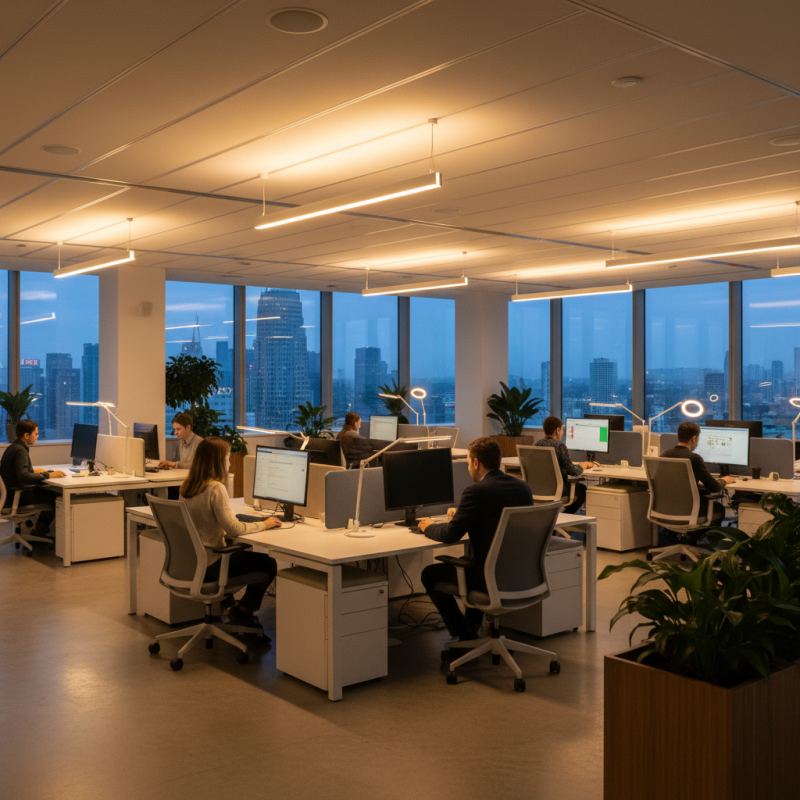
Choosing the Right Color Temperature for Office Lighting
When selecting office lighting, the choice of color temperature can significantly influence both productivity and comfort. Color temperature is measured in Kelvin (K) and can generally be categorized into three main ranges: warm white (2700K-3000K), neutral white (3500K-4100K), and cool white (5000K-6500K). Research indicates that cooler color temperatures are often more effective in enhancing alertness and focus. A study by the American Society of Interior Designers noted that office environments using cooler lighting (around 5000K) yielded improved accuracy in task performance by as much as 12%.
Moreover, the effects of color temperature on employee wellbeing cannot be overlooked. A report from the International Journal of Environmental Research and Public Health emphasizes that neutral to cool white lighting correlates with reduced eye strain and fatigue, particularly in high-activity workspaces. Employees exposed to cool lighting environments reported a 20% increase in their overall satisfaction compared to those working under warmer light.
Balancing these color temperatures in the office is also essential. While cooler temperatures can boost alertness and productivity, incorporating elements of warmer lighting in social or relaxation areas helps create a more inviting atmosphere. This strategic layering of color temperatures can lead to a more harmonious office environment, fostering both collaboration and concentration among employees.
Office Lighting Color Temperature and Productivity
This bar chart represents the productivity scores associated with different color temperatures of office lighting. As the color temperature increases, the productivity score typically rises, indicating a preference for cooler light in enhancing workplace efficiency.
The Impact of Lighting on Employee Productivity: Key Statistics
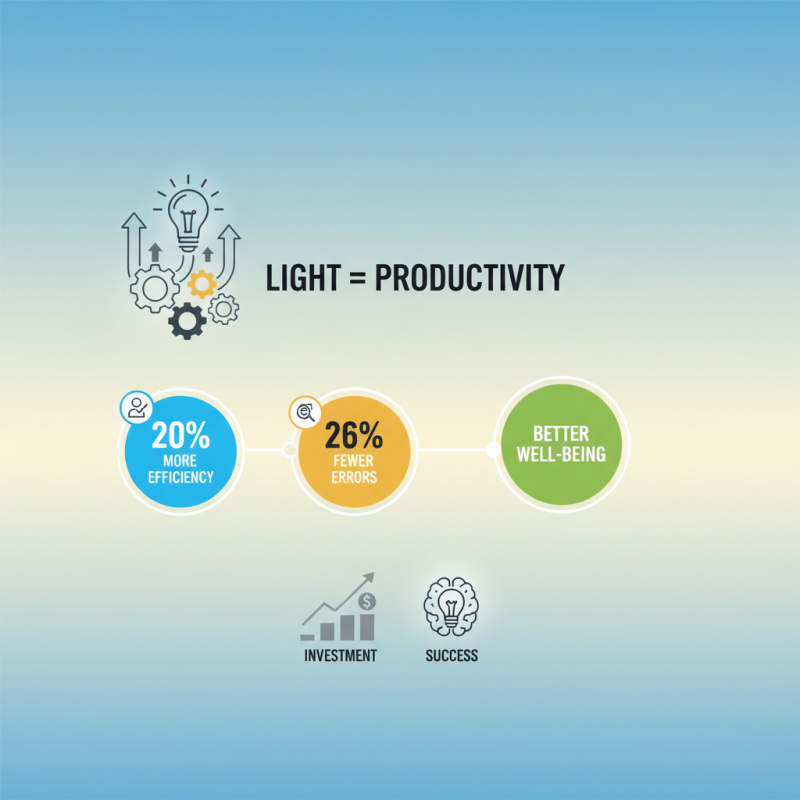
The impact of lighting on employee productivity is profound and supported by various studies. According to a report from the American Society of Interior Designers, effective lighting can enhance worker efficiency by up to 20%. Moreover, statistics from the Illuminating Engineering Society reveal that well-lit environments can reduce errors by as much as 26%. This emphasizes the need for businesses to invest in proper office lighting to foster an atmosphere conducive to productivity and well-being.
When choosing lighting, consider the task at hand. Natural light is known to enhance mood and energy levels; employees exposed to natural light report a 15% increase in well-being. If natural light is not an option, LED lighting with adjustable intensity can mimic daylight, helping to maintain focus over long periods.
Tips for maximizing lighting effectiveness include using desk lamps for individual tasks, which can reduce eye strain and fatigue, and implementing dimmable lighting to adapt to different activities throughout the day. Additionally, incorporating multiple layers of light, such as ambient, task, and accent lighting, can create a more dynamic and engaging workspace that caters to various employee needs.
Ergonomics of Office Lighting: Reducing Eye Strain and Fatigue
The ergonomics of office lighting play a crucial role in reducing eye strain and fatigue, directly impacting employee productivity and comfort. Proper lighting can enhance visual clarity and create a pleasant working environment. Office workers often spend long hours in front of screens, making it essential to select the right lighting that minimizes glare and harsh shadows. Natural lighting is ideal, as it helps to regulate circadian rhythms and can boost mood. However, when natural light is limited, incorporating adjustable light sources can create a more adaptable workspace.
Tips for optimal office lighting include using LED bulbs with a color temperature that mimics natural light, typically between 4000K and 5000K. This range is not only energy-efficient but also provides a bright, clear light that can help alleviate eye strain. Additionally, install task lighting, such as desk lamps, to provide focused light on work surfaces without disrupting the ambient light of the room. Consider using fixtures that offer dimming options to adjust brightness throughout the day as needed.
It's also important to position screens properly to reduce reflections and glare from overhead lights. Ideally, screens should be at eye level and about an arm's length away, allowing for a comfortable viewing experience with less strain on the eyes. Regular breaks to rest the eyes and shift focus away from screens can further enhance comfort and productivity.
How to Choose the Best Office Lighting for Enhanced Productivity and Comfort
| Lighting Type |
Color Temperature (K) |
Illuminance (Lux) |
Recommended Use |
Benefits |
| LED Lighting |
3000 - 6000 |
300 - 500 |
General Office Spaces |
Energy Efficient, Long Lifespan |
| Fluorescent Lighting |
2700 - 4000 |
200 - 300 |
Meeting Rooms, Classrooms |
Bright Illumination, Cost-Effective |
| Incandescent Lighting |
2700 |
100 - 200 |
Break Rooms, Reception Areas |
Warm Light, Creates Cozy Atmosphere |
| Natural Light |
Variable |
1000+ |
Workspaces with Windows |
Enhances Mood, Reduces Eye Strain |
| Task Lighting |
3000 - 5000 |
500 - 1000 |
Individual Workstations |
Focused Lighting, Increases Concentration |
Sustainable Lighting Solutions: Balancing Cost and Efficiency
In today’s workplace, the significance of sustainable lighting solutions cannot be overstated. According to a report by the U.S. Department of Energy, lighting accounts for approximately 15% of a commercial building’s electricity use. By switching to energy-efficient lighting options, such as LED fixtures, offices can reduce their lighting energy consumption by up to 75%. This not only lowers utility bills but also contributes to a reduced carbon footprint, aligning with increasing environmental responsibility in corporate policies.
Moreover, effective office lighting can significantly influence employee productivity and comfort. A study published in the Journal of Interior Design found that employees working in well-lit environments reported a 15% increase in overall satisfaction and productivity compared to those in poorly lit spaces. By integrating solutions such as daylight harvesting and smart lighting systems, businesses can ensure optimal brightness levels while adjusting energy use according to occupancy. These advancements not only enhance workplace dynamics but also promote long-term cost efficiency, making a compelling case for investing in sustainable lighting technologies.
Incorporating Natural Light: Benefits for Mental Well-Being and Focus
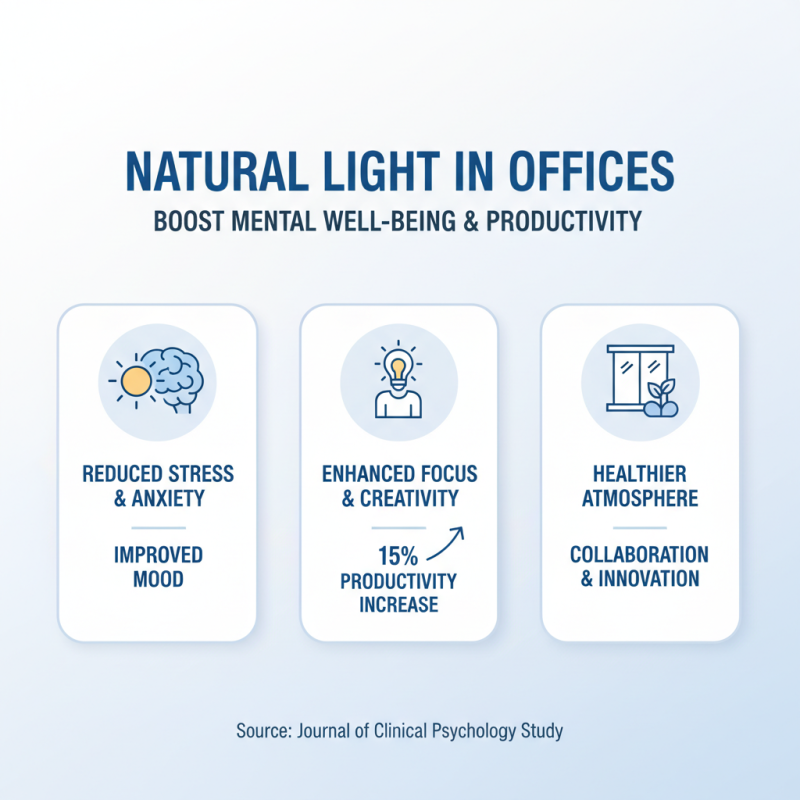
Natural light has been shown to significantly enhance mental well-being and focus in office environments. According to a study published in the Journal of Clinical Psychology, exposure to natural light can reduce symptoms of depression and anxiety, fostering a more positive workspace. In fact, environments with ample daylight have been linked to a 15% increase in productivity among employees. Incorporating windows, skylights, and open layouts can not only illuminate workspaces but also promote a healthier atmosphere, encouraging collaboration and creativity.
Tips for maximizing natural light include strategically positioning desks to face windows and using light-colored décor to reflect sunlight throughout the space. Plants can also help to improve air quality and bring a touch of nature indoors, further enhancing the natural light experience. Additionally, consider installing window treatments that allow for adjustable light control—balancing brightness while reducing glare for computer screens can enhance employee focus without sacrificing comfort.
Research from the American Society of Interior Designers suggests that employees working in spaces with natural light report 51% higher productivity and 63% higher satisfaction. By prioritizing access to natural light in your office design, you can create an environment that not only boosts productivity but also significantly contributes to the overall well-being of your team.