Best LED Bulb Options for Bright Energy Efficient Lighting?
The search for the best LED bulb options is crucial for energy-conscious consumers. In recent years, the demand for energy-efficient lighting has surged. According to the U.S. Department of Energy, LED bulbs use at least 75% less energy than traditional incandescent bulbs. This significant reduction makes them a favored choice for both homes and businesses.
In addition to saving energy, LED bulbs provide excellent brightness and long lifespan. They can last up to 25,000 hours or more, reducing replacement costs. However, not all LED bulbs are created equal. Consumers often face a wide variety of choices, which can lead to confusion. Some brands may claim efficiency but lack performance in real-world usage.
Furthermore, the market is flooded with options. Consumers need to consider factors like color temperature and lumen output. Even with the advantages, some LED bulbs may not deliver expected brightness. This highlights the importance of thorough research before making a purchase. Finding the perfect LED bulb can be a journey toward better lighting and energy efficiency.
Types of LED Bulbs for Various Lighting Needs
LED bulbs come in various types to meet different lighting needs. For warm, cozy spaces, consider soft white LED bulbs. They mimic traditional incandescent bulbs, creating a welcoming atmosphere. These bulbs are ideal for living rooms and bedrooms.
For task-oriented areas like kitchens and workspaces, daylight LED bulbs are a great choice. They provide a bright, white light that enhances visibility. This helps improve focus and accuracy during tasks. Also, consider adjustable LED bulbs. They allow you to change the brightness based on your needs.
**Tips:** When selecting LED bulbs, check the lumens instead of wattage. More lumens mean brighter light. Make sure to choose the right color temperature for your space. Don’t be afraid to experiment with different types. You might find an unexpected favorite. Balancing ambiance and functionality is important, but it can take time to get it just right.
Key Features to Consider When Choosing LED Bulbs
When choosing LED bulbs, there are key features to keep in mind.
Brightness is essential. Look for bulbs rated in lumens.
Aiming for at least 800 lumens ensures a bright room.
Consider the color temperature as well. This affects the ambiance.
A warm white light creates a cozy atmosphere.
Meanwhile, cool white lights are perfect for workspaces.
Another important aspect is energy efficiency.
Check the wattage. A good LED bulb uses much less energy than traditional bulbs.
Yet, this doesn’t always mean lower brightness.
Some bulbs may not give enough light for larger spaces. So, do your homework.
Lifespan should also be a factor. Many LED bulbs last for years.
However, not all options are created equal. Some may flicker or dim over time.
This can be frustrating. Research user reviews to avoid poor-quality options.
Remember, the right choice can enhance your space significantly.
Comparative Analysis of Brightness and Energy Efficiency
When comparing LED bulbs, brightness and energy efficiency stand out as crucial factors. The U.S. Department of Energy highlights that LED bulbs use at least 75% less energy than traditional incandescent bulbs. This translates into significant cost savings over time. An LED bulb might last up to 25,000 hours, while an incandescent bulb typically lasts about 1,000 hours.
Brightness is measured in lumens. A standard 60-watt incandescent bulb produces about 800 lumens. In contrast, an LED bulb can produce the same brightness using only 10 to 12 watts. This can seem too good to be true. So, consumers must watch for quality differences among products. Not all LEDs provide the same brightness or warmth of light, leading to varying experiences.
Installation can also impact energy efficiency. A poorly fitted bulb can waste energy. Some bulbs flicker or hum, which can be annoying. Additionally, ambient light in a room can change how bright a bulb seems. Choosing an LED that complements the space is essential for achieving the desired effect without wasting energy. Brightness and efficiency often come with a trade-off. It's worth testing different options to find the best fit for your needs.
Best LED Bulb Options for Bright Energy Efficient Lighting
This chart compares the brightness in lumens and energy efficiency in watts for various LED bulb options. A higher lumen value indicates a brighter light, while a lower wattage signifies greater energy efficiency.
Top Brands and Models for LED Bulbs in 2023
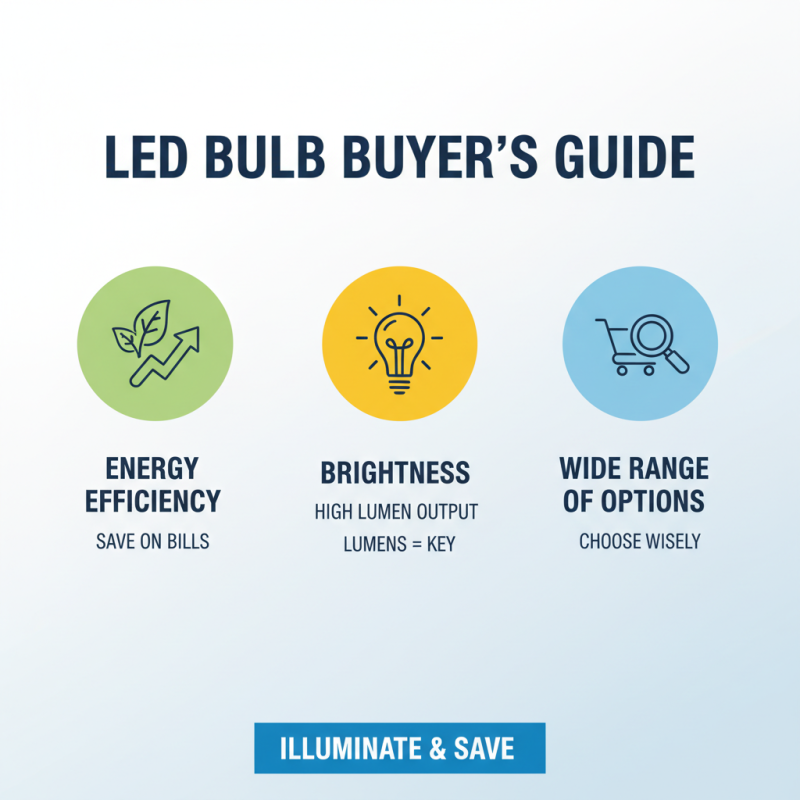
When choosing LED bulbs, it's essential to consider energy efficiency and brightness. Today’s market offers a wide range of options. Many people seek bulbs that not only illuminate but also save on energy bills. Look for those labeled as "high lumen output." Brightness is defined by lumens, so this is key.
Several brands stand out in 2023 with innovative models. Bulbs with adjustable color temperatures can create different atmospheres in your home. Warm white tones provide comfort, while cool white enhances focus in workspaces. Some LEDs even offer smart technology, allowing you to control them via your smartphone. However, some users may find the technology daunting.
While many bulbs boast long lifespans, poor installation can impact performance. Not all LED fixtures are compatible with dimmers, causing flickering issues. Finding the right fit for your needs may take time. Always review user feedback to understand potential drawbacks. Lighting has a powerful effect on mood and productivity, so choose wisely. Consider your options thoroughly before making a purchase.
Cost-Effectiveness and Lifespan of LED Lighting Solutions
When considering the cost-effectiveness of LED lighting solutions, it's crucial to look beyond the initial price. LED bulbs may be more expensive upfront, but their longevity often offsets the initial investment. A typical LED bulb lasts up to 25,000 hours, while incandescent bulbs barely reach 1,000 hours. This means fewer replacements and less waste over time.
However, the energy savings truly stand out. LED bulbs consume significantly less electricity than their traditional counterparts. They use about 75% less energy than incandescent bulbs. This reduction can lead to noticeable savings on energy bills each month. Yet, consumers sometimes overlook these benefits. They may focus too much on the purchase price rather than the overall savings potential.
It's also worth noting that not all LED bulbs perform equally. Some may not deliver the brightness or color quality expected. Choosing the right product can be confusing. So, it's important to read reviews and seek information. Not every LED bulb meets the high standards of energy efficiency claimed. This inconsistency can hinder their overall value. That said, with careful selection, LED lighting can offer outstanding savings and durability.
Best LED Bulb Options for Bright Energy Efficient Lighting
| Type |
Wattage (W) |
Lumens |
Lifespan (Hours) |
Cost per Bulb ($) |
Annual Energy Cost ($) |
| A19 LED |
9 |
800 |
25000 |
10 |
1.08 |
| BR30 LED |
10 |
800 |
25000 |
12 |
1.08 |
| PAR30 LED |
15 |
1200 |
25000 |
18 |
1.62 |
| T8 LED Tube |
15 |
1800 |
50000 |
20 |
1.62 |
| A21 LED |
14 |
1600 |
25000 |
12 |
1.20 |