Top 10 Benefits of LED Bulbs for Home Lighting You Need to Know
In recent years, LED bulbs have emerged as a leading choice for home lighting solutions, revolutionizing how we illuminate our living spaces. According to the U.S. Department of Energy, adopting LED technology can save consumers approximately 75% on their energy bills compared to traditional incandescent bulbs. This staggering statistic highlights not only the cost-effectiveness of LED bulbs but also their environmental benefits, as they consume significantly less power and have a longer lifespan, reducing the frequency of replacements.
Furthermore, as energy efficiency becomes an increasingly pressing global concern, the shift towards LED lighting is supported by various industry reports and studies. The Global LED Lighting Market is projected to reach USD 105.17 billion by 2025, driven by growing residential and commercial demand for durable and eco-friendly lighting solutions. With advancements in technology, LED bulbs now offer a range of benefits beyond energy savings, including enhanced brightness, improved color rendering, and the ability to integrate with smart home systems. These factors underscore the importance of understanding the top benefits of LED bulbs to fully harness their potential in our homes.
Advantages of LED Bulbs Over Traditional Lighting Options
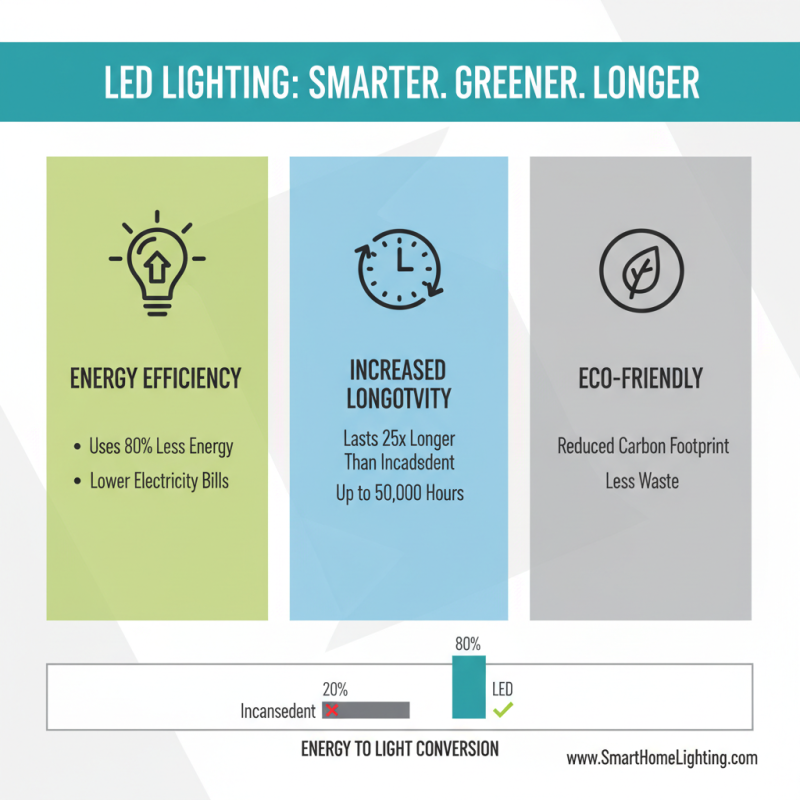
LED bulbs have significantly outpaced traditional lighting options such as incandescent and fluorescent bulbs, primarily due to their energy efficiency and longevity. Unlike conventional bulbs that convert less than 20% of energy into light, LED bulbs use up to 80% less energy while providing the same brightness. This means lower electricity bills and a reduced carbon footprint, making them an environmentally friendly choice for home lighting.
Moreover, LED bulbs have an impressive lifespan, lasting up to 25,000 hours compared to the 1,000 hours of incandescent bulbs. This not only translates to fewer replacements and maintenance but also reduces the overall waste generated from discarded bulbs. In addition, LED lighting offers a variety of color temperatures, allowing homeowners to create specific atmospheres that reflect their personal style, from warm cozy tones to cool, vibrant daylight.
Tips: When transitioning to LED lighting, consider starting with areas in your home that are frequently used, such as kitchens and living rooms. Additionally, look for dimmable LED options to enhance versatility while saving even more energy. Lastly, be mindful of color temperatures; warm white is typically great for a cozy ambiance, while cool white can invigorate spaces like home offices.
Energy Efficiency: How LED Bulbs Lower Your Electricity Bill
LED bulbs have revolutionized the way we think about home lighting, primarily due to their remarkable energy efficiency. Unlike traditional incandescent bulbs, which waste a significant amount of energy in the form of heat, LED bulbs convert a much larger portion of energy into visible light. This efficiency means that households can illuminate their spaces using less electricity, ultimately leading to lower energy bills. Switching to LED lighting can result in a reduction of up to 75% in energy consumption compared to conventional bulbs, thereby providing substantial savings over time.
In addition to the cost savings associated with reduced energy usage, LED bulbs also contribute to a more sustainable environment. By consuming less power, they help decrease the overall demand for energy production, which is often reliant on fossil fuels. This transition not only lowers electricity costs for consumers but also reduces the carbon footprint, making it a win-win for both the wallet and the planet. As more households embrace LED technology, the collective impact on energy conservation becomes increasingly significant, highlighting the importance of making informed choices about home lighting.
Top 10 Benefits of LED Bulbs for Home Lighting
Longevity: The Extended Lifespan of LED Lighting Solutions
When it comes to home lighting, one of the most significant advantages of LED bulbs is their remarkable longevity.
LED lighting solutions are engineered to last much longer than traditional incandescent or fluorescent bulbs. With an average lifespan of 25,000 to 50,000 hours, LED bulbs can endure up to 25 times longer than their conventional counterparts. This extended lifespan not only translates to reduced frequency in replacements but also ensures consistent light quality over time, enhancing the overall ambiance of any room.
The longevity of LED bulbs brings a plethora of benefits beyond mere durability. Homeowners can experience significant cost savings on replacement bulbs and associated labor, as fewer changes over time mean less waste and lower maintenance efforts. Additionally, the long lifespan of LED lights minimizes their environmental impact, as fewer bulbs need to be manufactured and disposed of, promoting sustainability. With less downtime due to burnt-out bulbs, the uninterrupted illumination LED lights provide allows for a more functional and enjoyable living space. Thus, investing in LED technology is not just a smart financial decision; it’s also a commitment to a more eco-friendly lifestyle.
Environmental Impact: Reducing Carbon Footprint with LED Technology
The shift towards LED technology in home lighting is not only beneficial for energy efficiency but also plays a crucial role in reducing our environmental impact.
LED bulbs consume up to 80% less energy than traditional incandescent bulbs, as reported by the U.S. Department of Energy. By transitioning to LED lighting, an average household can significantly lower its carbon footprint, potentially reducing annual greenhouse gas emissions by nearly 1.6 tons. This is equivalent to taking a car off the road for an entire year, emphasizing the substantial environmental benefits of LED adoption.
Furthermore, LED bulbs have a longer lifespan, lasting up to 25,000 hours compared to just 1,000 hours for incandescents. This longevity not only decreases the frequency of bulb replacements, reducing waste, but also diminishes the overall environmental burden associated with production and disposal of lighting products.
According to a study by the International Energy Agency, widespread LED adoption could lead to a global reduction of 1,400 million tonnes of CO2 emissions by 2030. Such statistics underscore the importance of embracing LED technology, not just for energy savings, but for paving the way toward a more sustainable future.
Versatility and Design: LED Bulbs for Every Home Aesthetic
LED bulbs have revolutionized home lighting, not only in terms of energy efficiency but also in their adaptability to various design aesthetics. Homeowners can choose from a wide array of styles, shapes, and colors, allowing for seamless integration into any room decor. Whether you prefer sleek, minimalist designs or more ornate fixtures, LED technology provides options that can complement contemporary or traditional aesthetics alike. This versatility ensures that your lighting solutions not only function well but also enhance the overall ambiance of your living space.
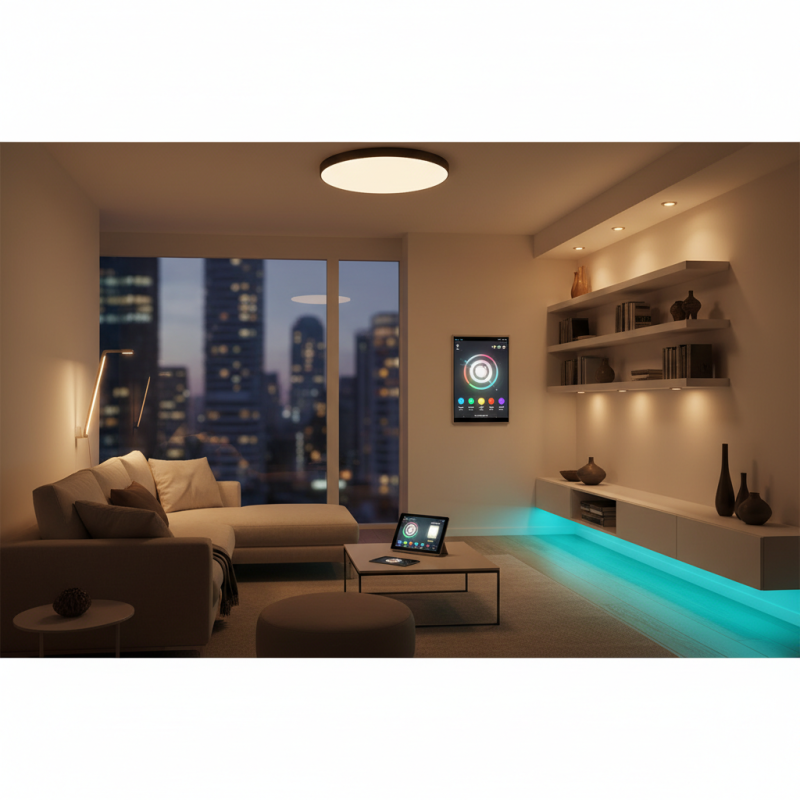
Moreover, the variety of color temperatures available in LED bulbs means you can tailor your lighting to suit different moods and activities. Warm white hues can create a cozy atmosphere for relaxation, while cooler tones are perfect for task-oriented spaces like kitchens and home offices. The ability to mix and match different types of LED bulbs enables homeowners to curate personalized lighting schemes that reflect their unique style, further illustrating that functionality and design can coexist harmoniously in home lighting.