
What Are the 2026 Top Outdoor Lighting Solutions?

What will define the 2026 outdoor lighting market? Outdoor Lighting Solutions are moving beyond simple brightness. They now combine energy efficiency, visual comfort, connectivity, and environmental responsibility. The U.S. Department of Energy’s Solid-State Lighting R&D Opportunities report identifies LED efficiency, controls, and connected systems as continuing innovation priorities. Its findings support a practical shift from replacing lamps toward designing complete lighting systems.

The opportunity is substantial. The International Energy Agency reports that lighting represents roughly 15% of global electricity consumption. Efficient LEDs, adaptive controls, and daylight-responsive systems can reduce unnecessary nighttime consumption. However, technology alone is not enough. The Illuminating Engineering Society’s recommended practices emphasize visibility, glare control, uniformity, and application-specific design. A pathway needs safe facial recognition, not harsh white light. A hotel terrace needs atmosphere without disturbing nearby bedrooms.

DarkSky International also stresses responsible outdoor lighting, including warmer color temperatures, shielding, and reduced uplight. These principles will influence 2026 choices, especially in residential communities, hospitality projects, and urban landscapes. Smart sensors may dim fixtures after midnight. That sounds ideal, but poor commissioning can create dark spots, delays, or uncomfortable transitions.

No single ranking fits every site. Coastal air, wet paving, tree coverage, and local regulations can change the best answer. This guide therefore evaluates Outdoor Lighting Solutions through performance, maintenance, user experience, and measurable environmental impact. The conclusions remain cautious. Market forecasts are useful, yet real projects still require photometric calculations, field testing, and experienced professional review.
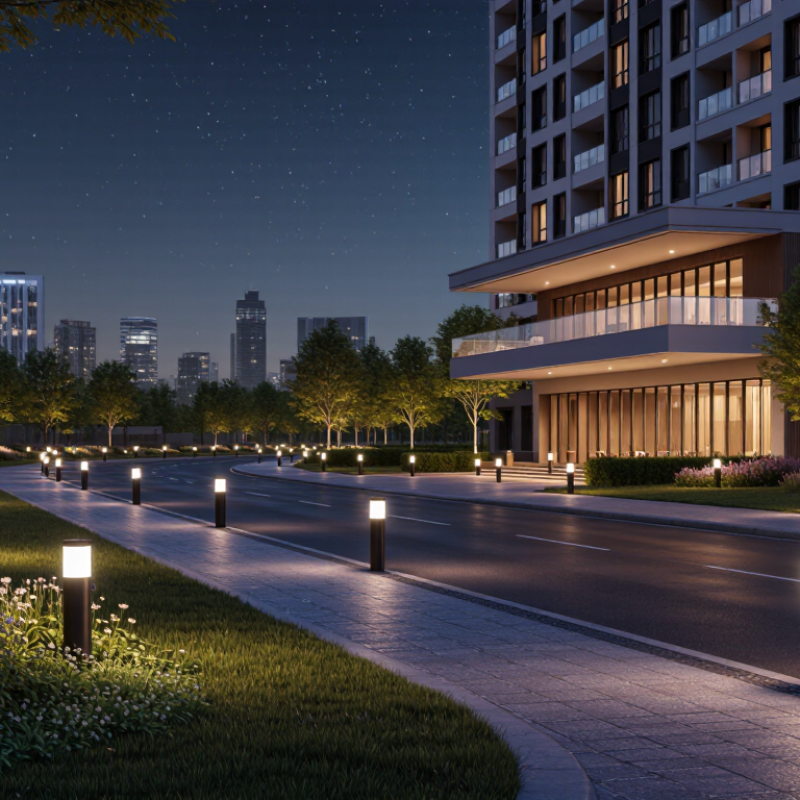
What Are the 2026 Top Outdoor Lighting Solutions?

Key Trends Shaping Outdoor Lighting Solutions in 2026

Outdoor lighting in 2026 is becoming more efficient, adaptive, and sensitive to the night environment. The International Energy Agency’s Energy Efficiency 2024 report estimates that lighting consumes about 15% of global electricity. The U.S. Department of Energy also reports that LED lighting uses at least 75% less energy than incandescent technology. These figures are pushing property owners toward durable LEDs, lower-wattage optics, and programmable controls.

Smart control is the strongest trend shaping outdoor lighting solutions. Motion sensors, daylight detection, and wireless scheduling can reduce unnecessary operating hours. Adaptive systems can dim pathways after midnight, then brighten them when movement appears. Solar-powered fixtures are also improving, especially in parks, gardens, and remote walkways. However, battery performance can decline during long cloudy periods. That limitation still needs honest planning.

Dark-sky design is gaining practical importance in 2026. Shielded fixtures, warmer color temperatures, and precise beam control can reduce glare and protect nocturnal wildlife. The Illuminating Engineering Society emphasizes lighting quality, visual comfort, and responsible application rather than brightness alone. In real installations, poor aiming remains common. A powerful fixture may illuminate a driveway while wasting light across windows and trees. Lifecycle data, repair access, and recyclable components should therefore influence purchasing decisions, not just initial price.

What Are the 2026 Top Outdoor Lighting Solutions?

Key trends shaping outdoor lighting in 2026 include high-efficiency LED conversion, adaptive dimming, occupancy sensing, and daylight-responsive controls.

The chart shows indicative energy-saving potential ranges reported in public guidance from the U.S. Department of Energy and the International Energy Agency. Actual savings depend on operating hours, existing equipment, control settings, climate, and installation quality. The ranges should not be added together.

Sources: U.S. Department of Energy Solid-State Lighting · International Energy Agency Lighting Analysis

How to Choose the Right Outdoor Lighting for Each Space

What Are the 2026 Top Outdoor Lighting Solutions?

Choosing outdoor lighting starts with the space, not the fixture. For a front path, use shielded, low-glare LEDs with even spacing. A warm color temperature, around 2700K to 3000K, usually feels calmer near entrances. The U.S. Department of Energy reports that LED lighting uses at least 75% less energy and lasts up to 25 times longer than incandescent lighting. That difference matters when lights operate every evening.

Patios need layered light. Combine soft wall lighting with downward task light near a grill or table. Keep brightness controlled, because strong overhead light can flatten faces and create harsh shadows. For steps, select fixtures with reliable illumination at tread level, not decorative lights aimed toward the eyes. The Illuminating Engineering Society recommends evaluating visibility, glare, uniformity, and maintenance together. I still see projects that prioritize appearance first. That choice often creates dark corners.

For gardens, use narrow beams on trees and wider beams on planting beds. Solar fixtures work well in open, sunny areas, but shaded gardens may need low-voltage systems or hybrid controls. Motion sensors suit side yards and service paths. Timers suit regular entertaining areas. DarkSky International emphasizes shielding and responsible color choices to reduce light trespass and skyglow. Check the beam after sunset. A drawing cannot reveal every reflection, shadow, or neighbor-facing glare. Controls also need simple adjustment, or people may disable them entirely.

Smart and Energy-Efficient Technologies in Outdoor Lighting

By 2026, leading outdoor lighting will focus less on brightness and more on controlled performance. LEDs remain central to this shift. The U.S. Department of Energy reports that LEDs use at least 75% less energy and last up to 25 times longer than incandescent lighting. This benefits pathways, parking areas, and building entrances. Efficient hardware is only half the answer. Beam direction, color temperature, and glare control also affect safety and comfort.

Smart controls make outdoor fixtures more responsive. Photocells activate lights at dusk. Occupancy sensors increase output only when movement occurs. Networked systems can schedule dimming, detect failures, and track energy consumption. The International Energy Agency estimates that lighting represents about 15% of global electricity use in its Energy Efficiency 2023 report. Small operating changes can therefore produce meaningful savings. Fancy dashboards are not enough. Controls need manual overrides, secure updates, and simple maintenance access.

Solar-integrated fixtures suit remote paths and gardens, but winter shade can reduce performance. Battery aging also deserves attention. Field checks should measure illumination, glare, and real nighttime behavior. The International Dark-Sky Association warns that excessive or poorly directed light can disturb ecosystems and create glare. One uncomfortable lesson remains: brighter is not always safer. A poorly aimed sensor may trigger repeatedly, waste energy, and annoy nearby residents. Good designs should allow correction.

Top Outdoor Lighting Solutions for Homes, Gardens, and Businesses

What Are the 2026 Top Outdoor Lighting Solutions?

Top Outdoor Lighting Solutions for Homes, Gardens, and Businesses

Outdoor lighting in 2026 is becoming more practical, efficient, and flexible. For homes, warm LED path lights create safer walkways without making gardens feel harsh. Wall lights can brighten entrances while preserving comfortable visibility. Motion sensors help reduce wasted energy around garages and side doors. Smart controls also allow homeowners to adjust brightness from inside, although complicated systems may frustrate some users.

Gardens need softer planning. Use low-level fixtures near steps, trees, and seating areas. Accent lighting can reveal textured bark, stone walls, or water features. Avoid aiming strong beams toward windows. Glare quickly ruins an otherwise attractive space.

Tips: Choose weather-resistant fixtures. Check the IP rating. Use warm color temperatures near living areas. Test positions at night before permanent installation. A daytime layout can be misleading.

Businesses need dependable lighting for entrances, parking areas, signs, and outdoor work zones. Even illumination improves confidence and helps cameras capture clearer images. Timers and daylight sensors can control large areas more efficiently. For exposed locations, installers should inspect cable protection, drainage, mounting strength, and seasonal maintenance access. Solar lighting can work well in open areas, but shade and winter weather may reduce performance. A hybrid system may prove more reliable.

The best design is not always the brightest one. In practice, small adjustments often matter more than expensive equipment. I have seen attractive plans fail because fixtures were installed too high. Review the space after rain, during darkness, and after plants mature.

What Are the 2026 Top Outdoor Lighting Solutions? - Top Outdoor Lighting Solutions for Homes, Gardens, and Businesses

Lighting Solution Best Applications Typical Power Use Recommended Color Temperature Weather Protection Typical Service Life Main Benefits Important Considerations
LED Pathway Lights Walkways, driveways, steps, and garden borders 2–8 W per fixture 2,700–3,000 K for a warm residential appearance IP44–IP65, depending on exposure 25,000–50,000 hours Low energy consumption, safer navigation, and simple landscape integration Fixtures should be spaced to avoid dark gaps and glare
Solar Landscape Lights Flower beds, patios, remote garden areas, and decorative accents 0 W grid electricity; solar-charged battery 2,700–4,000 K Prefer IP65 or higher for year-round outdoor use LED: 20,000–50,000 hours; battery: commonly 1–3 years No trenching or mains wiring and easy placement changes Performance depends on sunlight, season, battery condition, and shading
Wall-Mounted Sconces Porches, entrances, balconies, corridors, and exterior walls 6–15 W per fixture 2,700–3,500 K for welcoming entrances; 4,000 K for task areas IP44 minimum in sheltered locations; IP65 for exposed walls 25,000–50,000 hours Improves entry visibility, security, and architectural appearance Mounting height and shielding should control glare toward neighbors and streets
Motion-Activated Security Lights Garages, side passages, loading areas, rear doors, and perimeter zones 10–30 W while illuminated 3,000–4,000 K for balanced visibility IP65 or higher for exposed security locations 25,000–50,000 hours Reduces operating time and provides light when movement is detected Sensor angle, detection range, and false triggers require careful adjustment
LED Floodlights Building facades, sports areas, yards, parking spaces, and work zones 20–150 W per fixture 3,000–5,000 K; warmer light is generally better for homes IP65–IP66 30,000–70,000 hours High lumen output, broad coverage, and efficient replacement for older outdoor lamps Use shielding and accurate aiming to limit light trespass and skyglow
In-Ground Well Lights Trees, columns, sculptures, signs, and architectural details 3–12 W per fixture 2,700–3,000 K for landscape and facade accents IP67 is preferred for fixtures exposed to rain or temporary immersion 25,000–50,000 hours Discreet daytime appearance and precise upward illumination Requires effective drainage and regular cleaning of lenses and debris
Low-Voltage Landscape Systems Large gardens, paths, patios, planting beds, and residential outdoor zones Typically 12 V; individual LED fixtures commonly use 2–15 W 2,700–3,000 K for comfortable residential landscapes Outdoor fixtures commonly rated IP65 or higher 25,000–50,000 hours Safer installation voltage, flexible layout, and centralized control Voltage drop, cable sizing, transformer capacity, and waterproof connections matter
Commercial Area and Parking Lights Parking lots, retail properties, offices, warehouses, and public facilities 40–250 W per fixture, depending on mounting height and coverage 3,000–4,000 K for visibility and visual comfort IP65–IP66; impact resistance may also be required 50,000–100,000 hours, depending on design and operating conditions Uniform illumination, lower maintenance frequency, and compatibility with controls A lighting layout should address uniformity, glare, accessibility, and local regulations
Smart Outdoor Lighting Homes, hospitality areas, offices, gardens, and multi-zone properties Usually 2–30 W per fixture, depending on the light type Adjustable; 2,700–4,000 K is generally suitable outdoors Select fixtures rated IP65 or higher for exposed installations 25,000–50,000 hours for integrated LED fixtures Scheduling, dimming, occupancy response, remote control, and energy monitoring Wireless range, network security, compatibility, and dependable manual controls should be reviewed

Note: Specifications are typical planning ranges for modern outdoor LED systems. Actual performance depends on fixture design, installation conditions, local climate, operating hours, and applicable electrical codes.

Installation, Safety, Maintenance, and Future-Proofing Considerations

What Are the 2026 Top Outdoor Lighting Solutions?

In 2026, the strongest outdoor lighting systems combine efficient LEDs, adaptive controls, and weather-ready construction. Good installation begins with a site assessment, not a product box. Measure paths, tree growth, drainage, and viewing angles after dark. Place fixtures to reduce glare across windows and neighboring properties. Use buried cable rated for outdoor conditions, with connections inside approved weatherproof enclosures. Keep low-voltage wiring separated from irrigation lines where practical. Small details matter.

Safety deserves more attention than visual drama. Select fittings with suitable ingress protection for rain, dust, and sprinklers. Protect circuits with correctly rated ground-fault devices, and follow local electrical codes. A licensed electrician should handle mains-voltage work. Never hide a loose connection beneath mulch. That shortcut ages badly. Mount path lights firmly, leaving enough clearance for mowers, children, and snow removal. Test brightness from walking height, not only from the patio.

Maintenance is part of the design. Clean lenses seasonally, trim plants before they block beams, and inspect cable entries after storms. Smart controls can reduce energy use, but they need manual overrides when networks fail. Choose replaceable components, documented wiring, and accessible drivers where possible. This is where many attractive installations disappoint. Future-proofing does not mean buying every new feature. It means leaving capacity for extra circuits, software updates, and changing landscape needs. I would also record fixture locations with photographs; memory is unreliable after a few winters.